
The Scenario of Inefficiency
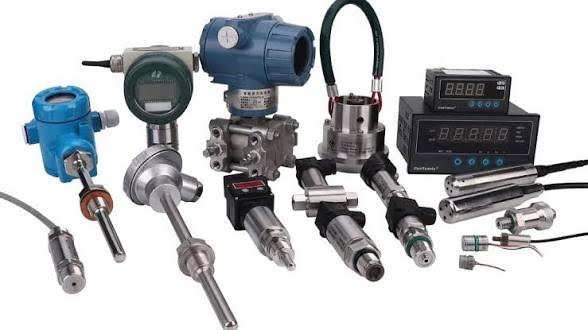
Imagine you’re at a busy oil drilling site – the kind that stretches across the Texan plains, buzzing with activity. You’ve got multiple crews working around the clock. Efficiency is key, no? Did you know that improper pressure readings can lead to serious downtime and costly mistakes? This is where the hammer union pressure sensor comes into play, crucial for ensuring that every ounce of hydraulic pressure is measured correctly. With an hydraulic pressure sensor at the heart of your operations, it’s like having an extra set of eyes always watching over your machinery, ready to defend against those pesky pressure-related failures.
Why Traditional Methods Fall Short
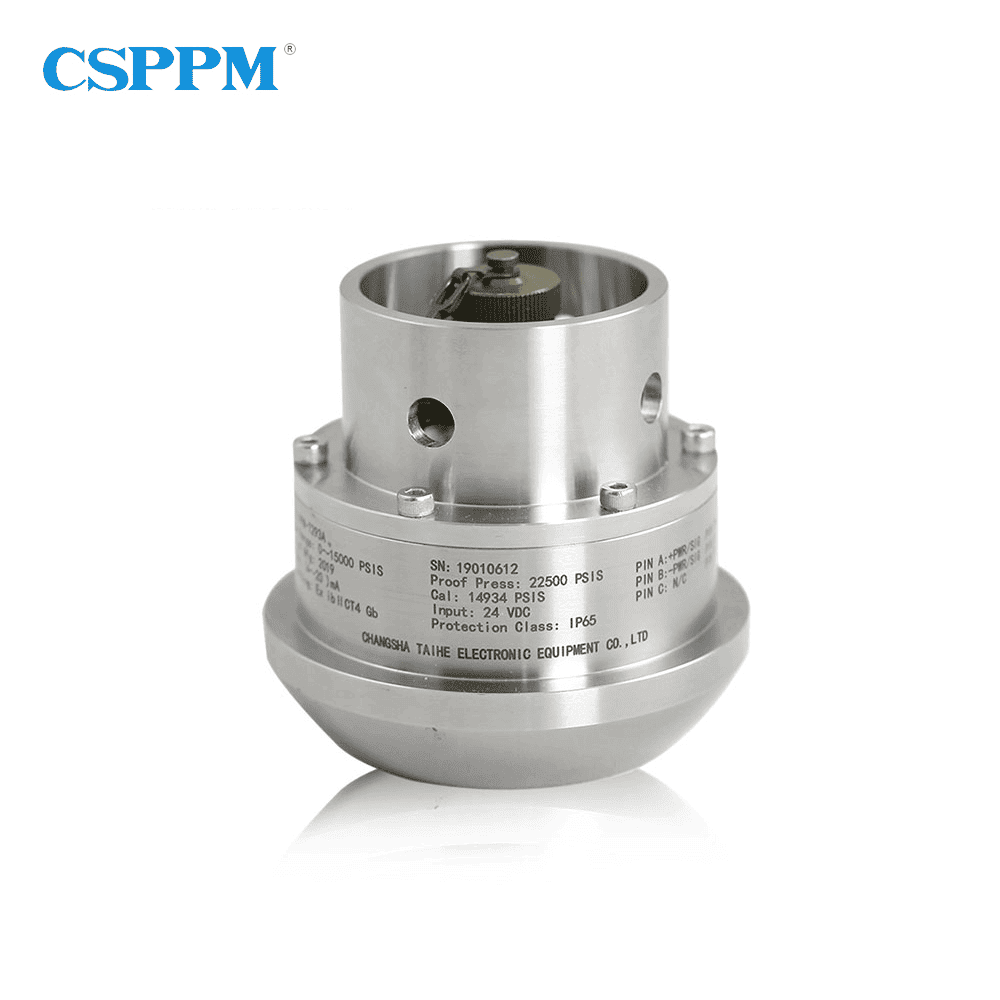
Let’s be real: traditional pressure gauges are kinda like riding a bicycle without brakes. They can be inaccurate and often leave you second-guessing your pressure levels. I still remember one time in 2018 when we relied on outdated tech; we faced a pressure spike that sent everyone scrambling. A hammer union pressure sensor would have accurately monitored the pressure in real-time, allowing us to respond quickly and efficiently, instead of ending up in a chaotic situation!
What Are the Benefits?
So, why should you ditch those old gauges and invest in a hammer union pressure sensor? Here are five reasons that will make you think twice about your options!
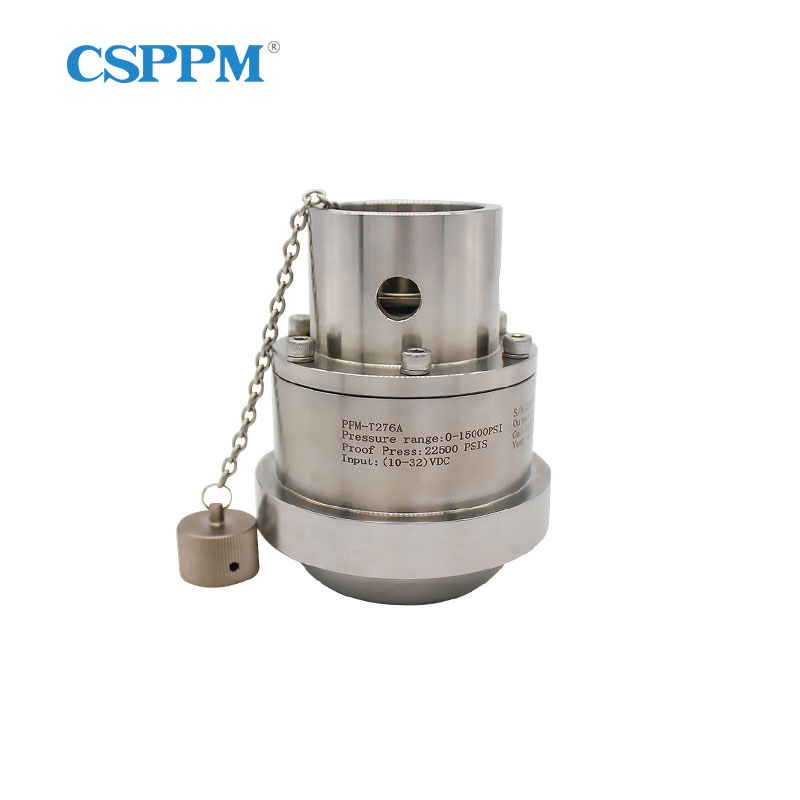
- Accurate Readings: Consistency is king. These sensors provide precise pressure measurements, minimizing the risk of human error.
- Durability: Designed to withstand the harshest environments, they’re tough cookies when it comes to wear and tear.
- Real-time Monitoring: Immediate feedback helps teams make quick decisions. No more guessing games!
- Cost Efficiency: Cutting down on downtime equals saving money. It’s simple math, amigos.
- Easy Integration: They fit seamlessly into existing systems, making upgrades a breeze!
What’s Next?
Moving forward, understanding the advantages of using a hydraulic pressure sensor makes it easier to recognize just how transformative they can be. Looking at the broader picture, I truly believe embracing modern technology could drastically reduce operational headaches. For instance, when I compare my experience working with old hydraulic systems to when I switched to newer technologies, the difference was night and day. Better pressure management transformed our workflow completely!
Final Thoughts
As I wrap up my thoughts, it’s clear that investing in a hammer union pressure sensor promotes better functionality and peace of mind when managing hydraulic systems. Picture a world where you can confidently monitor pressure levels without the constant worry of equipment failure hanging over you. Choosing the right solutions—like the hammer union pressure sensor—means you can focus more on growth than on firefighting challenges. Don’t get me wrong, I’ve seen many “advancements” that turn out to be nothing but hype, but this change could genuinely make a difference.
In conclusion, keep in mind these three points when considering your options: how precise is the measurement? What kind of conditions will it endure? And how fluid is the installation process? Trust me, you don’t want to skip these evaluations.
Let’s move together toward a smarter, more efficient future with the right equipment by your side. For reliable sensors and more information, visit CSSPM Sensor.