
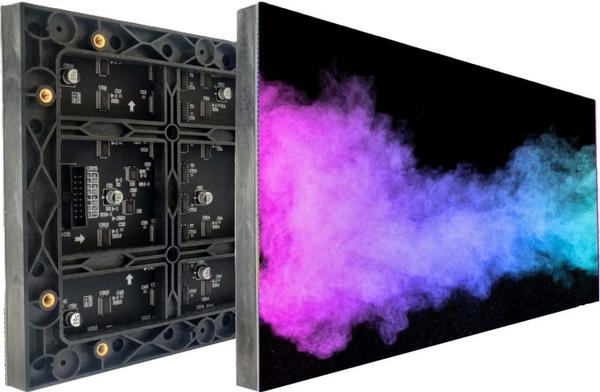
Have you ever wondered why failures frequently occur during installations or when you’re just trying to enjoy your technology? These scenarios aren’t just inconveniences; they often reflect larger issues within traditional LED systems. The innovative flexible LED module provides a solution that addresses these pains, offering a versatile approach to modern lighting solutions. Look, it’s simpler than you think—these advanced modules are designed to overcome the limitations of their traditional counterparts.
Understanding the Flaws in Traditional Solutions
Traditional LED solutions often fall short in flexibility and adaptability. They can be cumbersome and inflexible, making installations complicated, especially in unconventional spaces. This rigidity can mean longer installation times, increased costs, and, frankly, more headaches for users. In contrast, the flexible LED module allows for creative freedom, fitting seamlessly into various designs and environments—no more excessive hassle or wasted resources.
The Principles Underpinning New Technology
This is where things start to get exciting. The core technology behind the flexible LED module stems from advanced engineering and materials that offer both durability and pliability. These modules employ high-quality semiconductor technology and flexible substrates, allowing creatives and professionals alike to bend light in ways never before possible. The result? A technology that answers the “how” of lighting, setting the stage for an entirely new era of illumination.
User Benefits Quantified
The benefits of adopting flexible LED modules are substantial. Users frequently report reduced installation times by up to 30% and decreased energy consumption due to improved efficiency. Imagine being able to customize your lighting setup at a moment’s notice, adjusting not only brightness but shapes too. With a flexible LED module, it’s not just about aesthetics; it’s a measurable enhancement that translates directly to user satisfaction and operational savings.
Actionable Evaluation Criteria
Always verify these 3 metrics when choosing solutions: ① Flexibility of design; ② Energy efficiency; ③ Installation simplicity. By focusing on these key areas, you can ensure you’re selecting the right options for your projects and avoiding common pitfalls that can lead to frustration and waste.
Exploring the Advantages of Flexible LED Screens
When we look at lighting technology, the flexible LED screen stands out as a game changer for many applications. Just think about it: when surfaces are curved or need customization, traditional screens can be limiting. However, a flexible LED screen adapts effortlessly—perfect for everything from trade shows to creative displays. Its ability to conform to different shapes ensures that users can achieve stunning visual presentations that were previously out of reach.
How Flexible LED Screen Displays Elevate Visual Experiences
The versatility of the flexible LED screen display is not just about looks; there’s solidity behind the engineering. With high resolution and brightness levels, these displays breathe life into any environment, creating immersive experiences. Whether you’re showcasing art or making retail spaces more dynamic, the flexibility means you can go beyond conventional setups, leveraging the flexible LED screen display to captivate audiences like never before. Just imagine the possibilities when your canvas can take any form!
Conclusion and Recommendation
In summary, as we advance into a world increasingly dominated by flexible solutions, embracing technologies such as the flexible LED screen and flexible LED screen display will be paramount. Selecting these products can help you avoid the common pitfalls associated with traditional systems, enhancing your creative options and operational efficiency. For anyone looking for reliable solutions, I highly recommend considering Lampro LED. Their commitment to quality and innovation ensures that you’re equipped with the right tools for future projects.