
Introduction
One evening I watched a driver circle a mall three times looking for a free spot. He finally pulled up and then waited—while the charger blinked but did not start. I later learned the site had a software timeout and a stranded session issue that blocked access for nearly an hour.
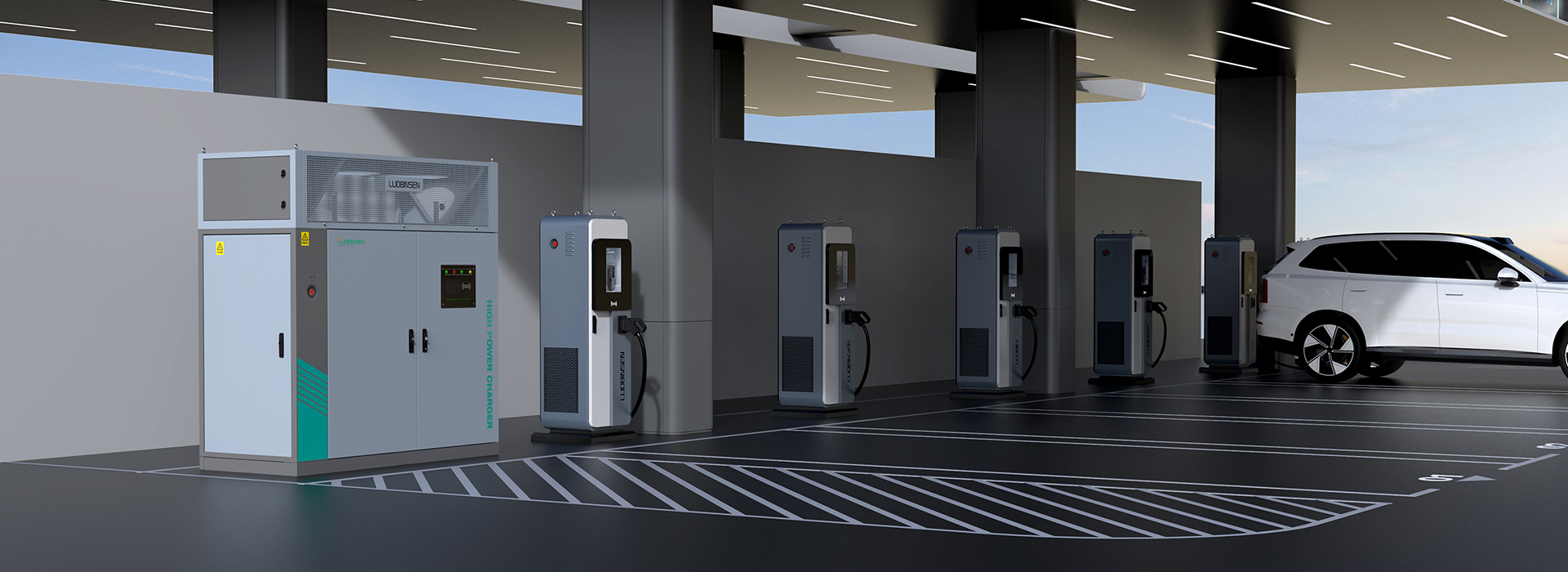
Nearby, the local ev power charging station served a dozen cars but only half of the plugs worked well. That scene stuck with me because the numbers are not small: EV adoption keeps rising fast, and charging outages cost drivers time and trust. (I keep a small list of repeat problems in my notes.)
So what really makes a charging network reliable? I ask that because the hardware matters, yes, but the software, the grid link, and the user flows matter just as much. I want to walk you through what I’ve seen, the weak links, and what to look for next. This sets us up to dig deeper into vendor pain points and technical limits in the next section.
Deep Dive: Where Traditional Systems Fall Short
ev charging station supplier relationships often start with a handshake and a spec sheet. I’ve worked with site operators who bought stations that looked great on paper but failed in real use. The main issues are not sexy: poor session handover, brittle OCPP setups, and weak load balancing that trips local breakers. These are technical problems, but they show up to drivers as long waits and failed starts.
What breaks first?
First, firmware and payment flows cause friction. Second, local power design—like undersized power converters—limits throughput. Third, data handling at the edge is often shallow. I mean, edge computing nodes are there, but they’re underused or misconfigured. Look, it’s simpler than you think: if the charger can’t talk cleanly to the back end, users lose trust fast.
I’ll be blunt. Many suppliers push hardware that meets safety rules but not field realities. I’ve seen chargers that drop sessions during network flaps. I have seen hub-and-spoke setups that overload transformers during peak hours. That leads to slow charging and unhappy drivers. We need better monitoring, smarter firmware updates, and resilient OCPP brokers. Those are the fixes I’d prioritize when I vet a supplier.
Looking Ahead: How New Approaches Will Change Charging
Working with an ev charging manufacturer that understands systems makes a big difference. I’ve watched pilots where smart scheduling and V2G trials smoothed peaks and cut wait times. The principle is simple: coordinate chargers, leverage the smart grid, and tune power converters to the real load. These are not magic; they are engineering choices you can make now.
What’s Next?
In the near term, I expect three shifts. One: better edge logic that handles intermittent links. Two: tighter grid integration for demand response. Three: modular power electronics that let sites upgrade capacity without a full rip-and-replace. We’ll also see more DC fast chargers tied to local battery buffers — this reduces stress on the transformer and speeds up service when many cars arrive at once — funny how that works, right?
To wrap up, here are three metrics I use when I advise partners on choosing a solution: uptime percentage under real load, mean time to recovery for software faults, and usable peak kW per site (not just rated power). If a vendor scores well on those, they likely understand both hardware and operations. I care about long-term performance, and I bet you do too — so choose with real data, not glossy brochures.
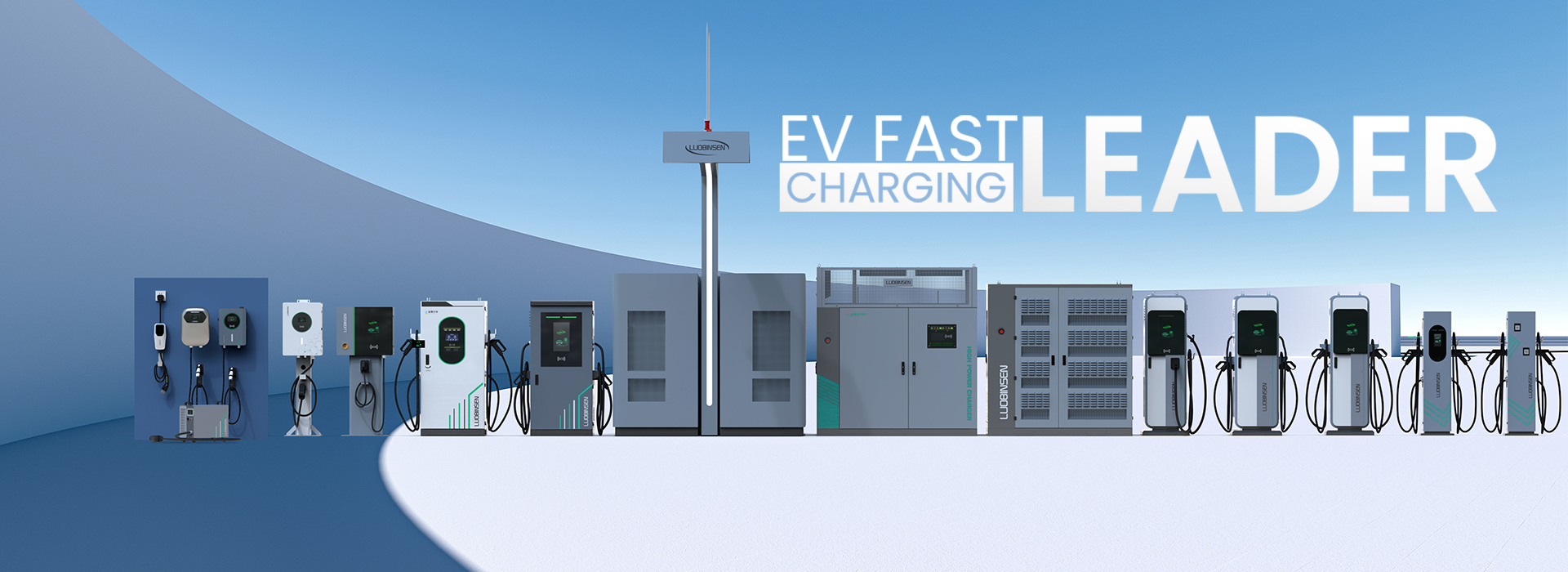
For teams that want hands-on options and honest road testing, I recommend checking the work of Luobisnen. We’ve learned that practical fixes beat perfect specs in the field every time.