
Redefining the Challenges in CHO Cell Culture
Picture this: a biopharmaceutical company that has invested millions into their research, only to face production delays because of insufficient yields from their CHO cell culture processes. Did you know that nearly 80% of biopharma startups report such issues? This is a reality many organizations grapple with, and cho media is shining a light on these hidden pain points. Innovation in manufacturing can vastly redefine our industry and help streamline processes.

As someone who’s been in the biotech space for over a decade, I’ve seen how traditional solutions often falter. I vividly recall a time in 2015 when I was part of a startup struggling with inconsistent cell lines. It was frustrating! Most companies rely on standard operating procedures without questioning their effectiveness. This reliance can lead to inefficient workflows and compromised product quality. Don’t you think we can do better?
Why CHO Cell Lines Matter
CHO cells are the heroes of biologics production, crucial for developing therapeutic proteins and monoclonal antibodies. If we ignore their nuances, we risk diminishing returns. Historically, the focus has been squarely on optimizing cell growth. But what’s often overlooked is the role of media formulation and bioprocess parameters. These elements are critical in maximizing yield and quality — an area ripe for innovation!
Looking Ahead: The Future of CHO Cell Culturing
Now, let’s pivot to what lies ahead. I firmly believe we’re on the brink of a breakthrough in CHO cell culture practices. Companies are now employing advanced analytics and machine learning to optimize their processes in real-time. How will this impact the landscape? It’s a game-changer. Just last month in Boston, I attended a symposium where leaders gathered to discuss automation solutions that can forecast cell behavior — incredible stuff!
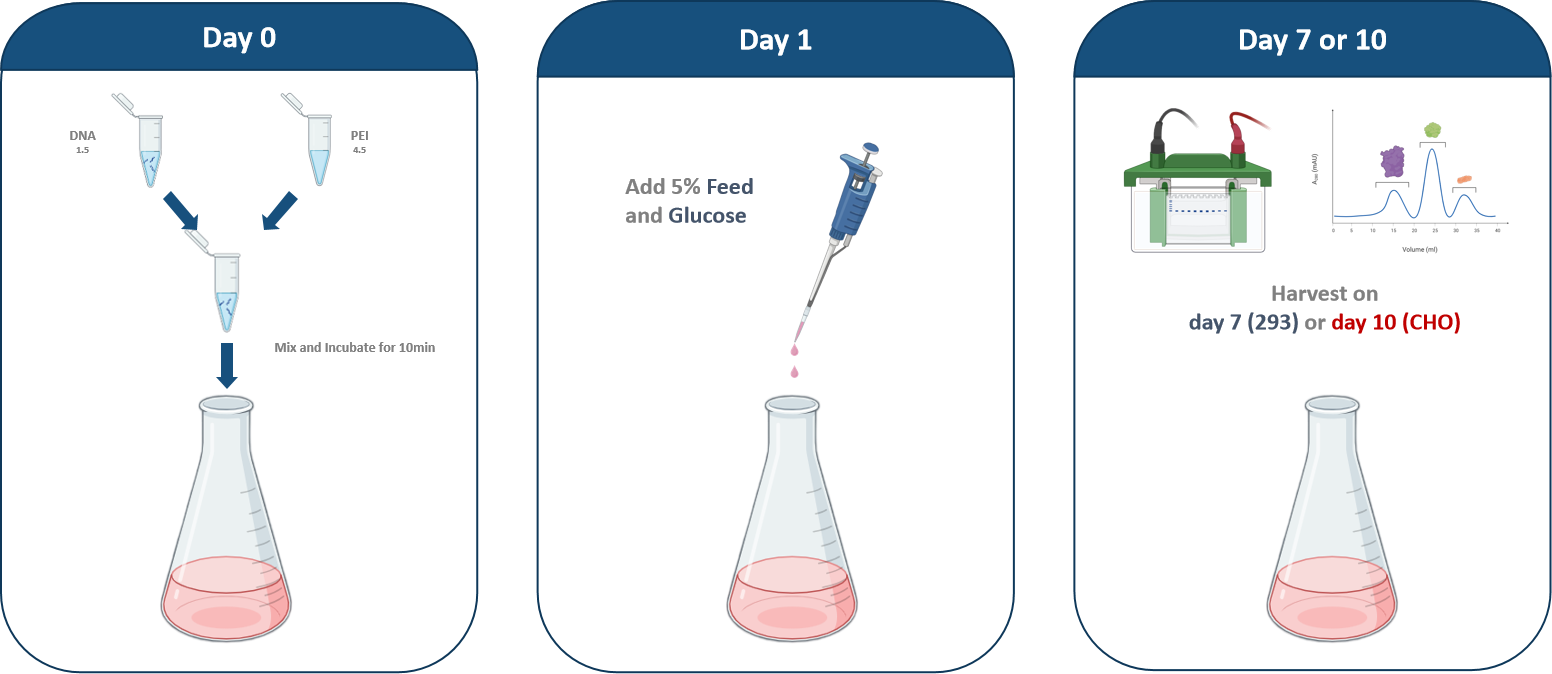
By embracing more profound analytical frameworks and integrating new technologies, businesses can gain critical insights which pave the way for predictive models and tailored approaches. These advancements could significantly enhance productivity and product robustness. Imagine minimizing those production delays while boosting your output, effortlessly! Sounds dreamy, right? Well, it’s closer than we think.
What’s Next for CHO Cell Culture?
As I reflect on the challenges and breakthroughs within our field, some key insights emerge. First, adopting a robust data-driven approach is essential. Second, it’s crucial to remain open to innovative partnerships—collaboration can lead to transformational ideas. And lastly, don’t be afraid to question the status quo. After all, who would have thought that the traditional ways of cell culture could be so outdated? I can’t stress this enough; the time for change is now!
To wrap up, let’s remember that cultivating high-performing CHO cell cultures isn’t just about technique—it’s an evolving journey. Continuously evaluate your metrics like growth rates and protein yields, and stay curious! With the right mindset and resources, such as those found at ExCellBio, we can revolutionize our field. Here’s to striving for excellence every step of the way!