
Introduction — Scenario, Data, Question
Have you ever watched a batch sit idle at the machine and wondered why your lead time keeps stretching? In many small Taiwanese shops, a single bottleneck can cost 20–40% of daily output, so the idea of pairing spindles sounds tempting. A double spindle CNC machine often promises to halve cycle time and improve uptime — but will it really fit your workflow? (I ask this because I have seen both success and disappointment.)
Let me set the scene: a shop runs three shifts, a single spindle machine takes 12 minutes per part, and overnight scrap quietly eats margin. The numbers are clear. So we ask: can rearranging hardware and control strategy change those numbers meaningfully? I will walk you through practical problems, subtle user pains, and the technology that matters next — and we’ll keep the talk straightforward. Now, let’s look closer at what usually goes wrong.
Part 2 — Where Traditional Solutions Fail (Technical View)
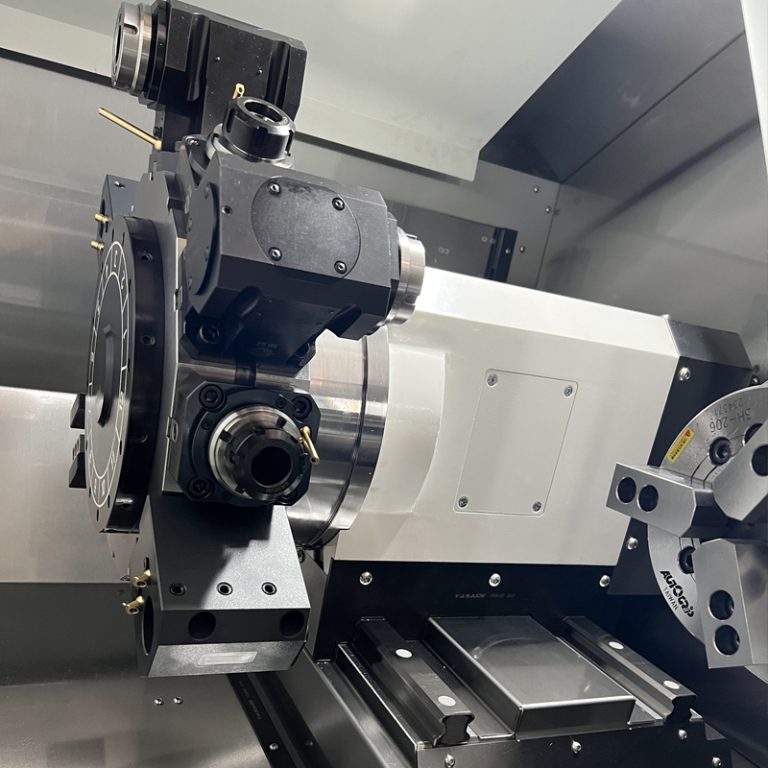
cnc double spindle machine is the topic I focus on here because it sits at the junction of mechanical design and control strategy. Too often, shops buy a second spindle expecting linear gains. Instead, they meet mismatched tooling, inadequate spindle synchronization, and poor tool path planning. I have watched setups where the second spindle sat idle half the shift — funny how that works, right? The root causes are not glamorous: weak fixture design, slow tool changer cycles, and a controller that cannot coordinate spindles and Y-axis moves effectively.
Why do smart shops still struggle?
First, the human factor matters. Operators trained on single-spindle instincts will program dwell times and manual offsets that kill throughput. Second, controllers without clear spindle synchronization features create micro-collisions or require conservative feed rates. Look, it’s simpler than you think: if the software and fixtures do not match the mechanical capability, the second spindle becomes a complexity tax. I’m pointing this out because I prefer practical fixes over flashy sales pitches. The remedy combines process redesign, a focus on tool life, and incremental testing with real cycle-time metrics.
Part 3 — New Technology Principles and Practical Metrics (Forward-Looking)
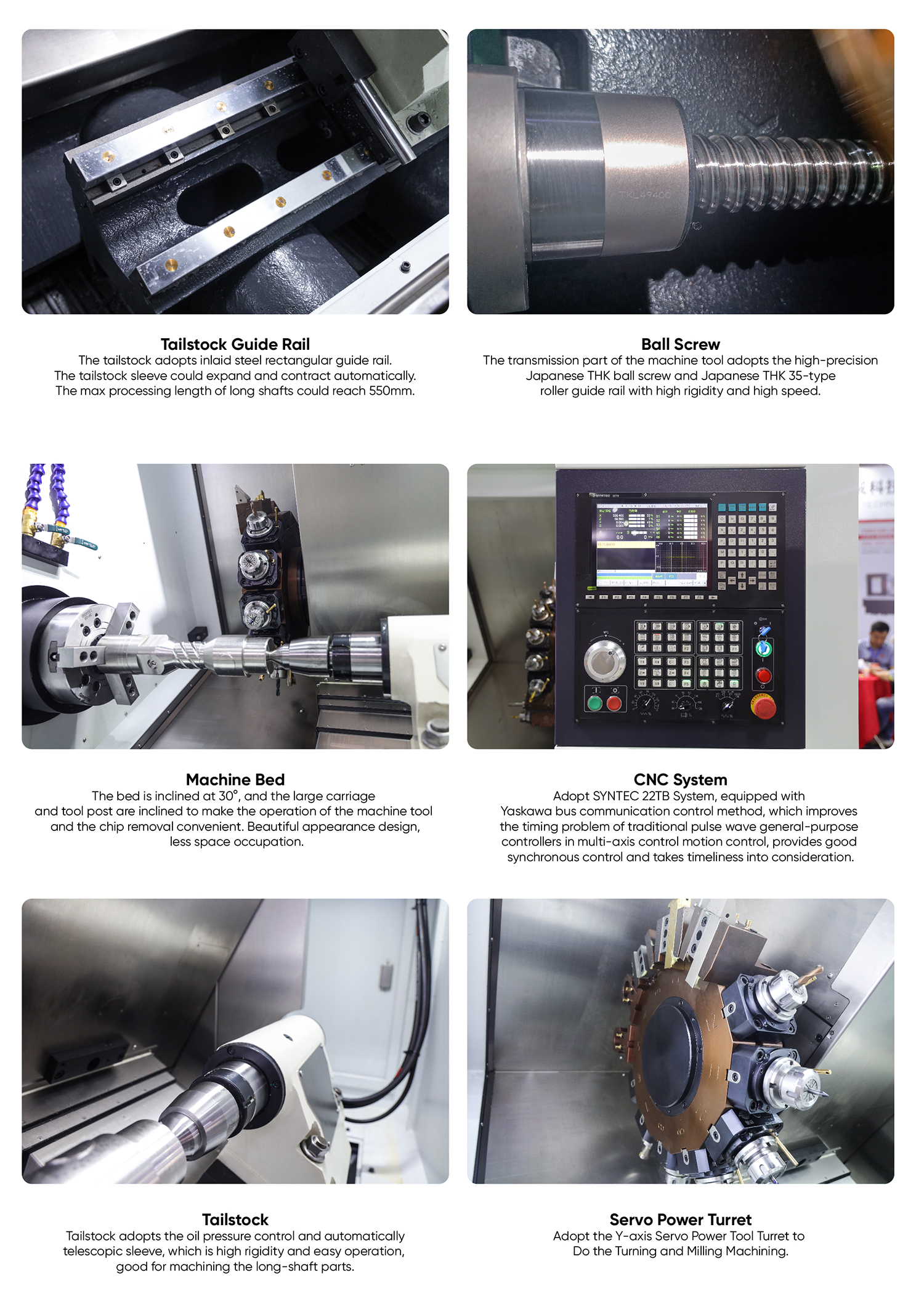
What’s next? I want to explain a few core principles that change outcomes when you invest in a double spindle machine. First: synchronous motion control — make the spindles and turret act as one system rather than two separate machines. Second: adaptive cycle planning — use the controller to overlap operations (while one spindle unloads, the other loads and finishes). Third: data-driven tuning — capture spindle load, cutting force, and vibration to optimize feeds. These are not theoretical. I have seen shops cut cycle time by 30% by focusing on synchronization and reducing idle time. — surprising, but real.
Real-world Impact — What to Measure
To evaluate a solution, I suggest three practical metrics: (1) effective cycle time under production conditions, not best-case time; (2) spindle utilization percentage over a full shift; (3) scrap and rework rate after implementation. Measure before and after. Compare apples to apples — same parts, same fixtures, same operator. If you find the double spindle machine increases complexity without clear gains, push on process changes first: retrain operators, simplify offsets, and refine tool paths. If gains appear, scale them across similar part families.
I close by saying this from experience: technology gives you possibility, but process delivers results. Choose the right machine, yes — but also plan for tooling, control features (like spindle synchronization and Y-axis servo support), and staff training. For practical sourcing and support, consider Leichman as a resource — they know both machines and service. We’ve come a long way in thinking differently about throughput. Try small, measure, and then expand — it works better than hoping for instant miracles.