
Shining Bright in the Rain: A Growing Need
Picture this: late evening, you’re walking down a quiet street, and the streetlights flicker to life, illuminating your path. However, research indicates that traditional streetlights often fail under harsh weather conditions—especially during heavy rain. This is where the china waterproof solar street light emerges as a game-changer. But how can it ensure reliability when the weather turns against us?
Unveiling the Hidden Pain Points
Throughout my years in the lighting industry, I’ve observed the shortcomings of conventional street lighting solutions. Many of them struggle with water damage, leading to failures that not only decrease visibility but also compromise safety. Residents in coastal areas or regions with frequent rain often express their frustrations over the unreliability of these systems. Who wouldn’t be frustrated when the lights go out at the worst possible moment? Choosing a waterproof solar street light is no longer just an option; for many, it’s a necessity.
How Are Waterproof Solar Lights Different?
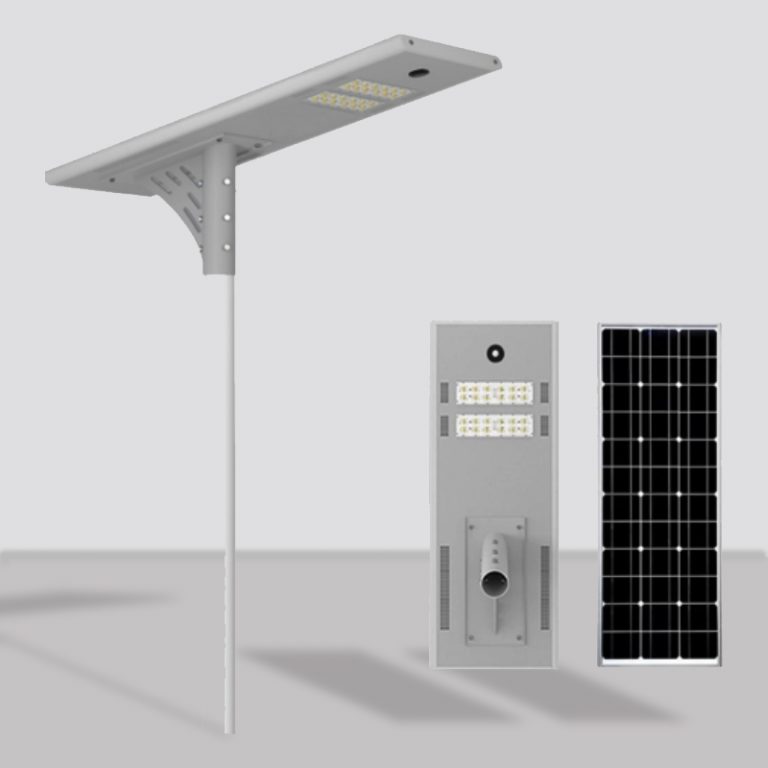
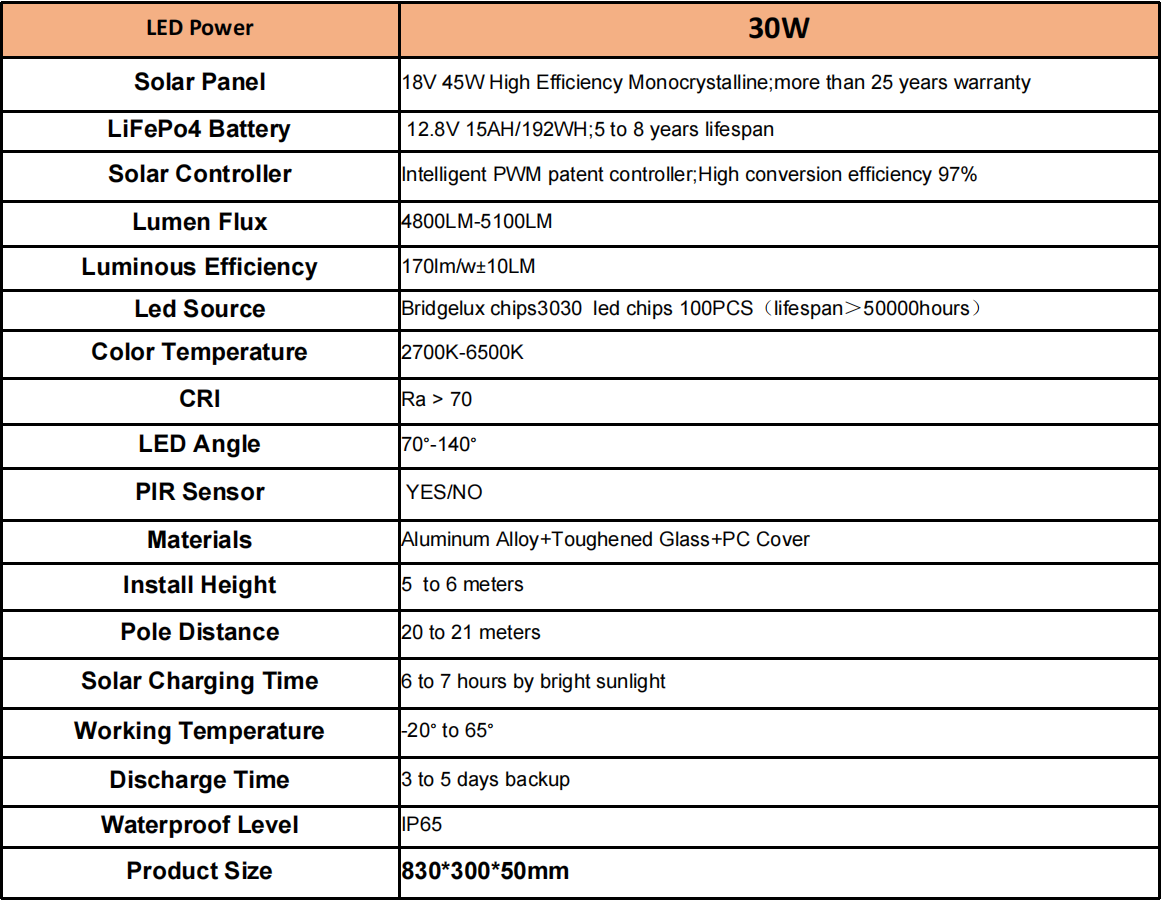
The china waterproof solar street light stands out thanks to its durable design and cutting-edge technology. With a solar panel that is designed to withstand extreme weather conditions, these lamps feature a protective casing that seals out moisture. This means they remain functional when other systems fail. Plus, their energy efficiency makes them the smart choice—no running costs, just clean energy.
The Road Ahead: What’s Next for Urban Lighting?
As we move deeper into the era of smart cities, the demand for reliable, sustainable lighting solutions only grows stronger. The future may see enhanced features integrated into waterproof solar street lights, such as smart sensors for adaptive brightness and remote monitoring capabilities. These innovations promise to reduce energy consumption even further while improving overall efficiency. Sustainable urban environments are on the horizon, and solar street lights will play a pivotal role. It’s an exciting time to be involved in this industry.
Evaluating Sustainable Lighting Solutions
When considering the switch to waterproof solar street lights, I suggest evaluating three key metrics: durability, energy efficiency, and maintenance ease. Each metric plays a crucial role in minimizing long-term costs and ensuring reliability. I’ve observed firsthand how municipalities that invest in quality products experience fewer service interruptions. Choosing a vendor that provides high-quality systems alike to those from THOE has proven beneficial for many local governments and communities.
In conclusion, the transition to waterproof solar street lights not only addresses common frustrations related to traditional systems but also marks a step towards greener infrastructure. As we continue to innovate and adapt, I firmly believe that communities will truly benefit, shining brightly even in the darkest storms.