
From one installation to a clearer problem: the hidden costs of standby systems
I remember installing a 6 kW hybrid inverter for home paired with a 10 kWh LiFePO4 pack in Seattle in November 2022 — the house stayed powered through an 8-hour outage while the neighbor lost everything. Scenario + data + question: outage evening, 3.8 kWh drawn from storage, should every homeowner accept that level of vulnerability? Home battery performance matters more than marketing claims (not kidding). I write as someone with over 15 years advising installers and buyers; I’ve seen modest systems promise backup but deliver only brief relief because of two overlooked flaws: poor round-trip efficiency and limited usable state of charge (SoC) due to conservative BMS settings.
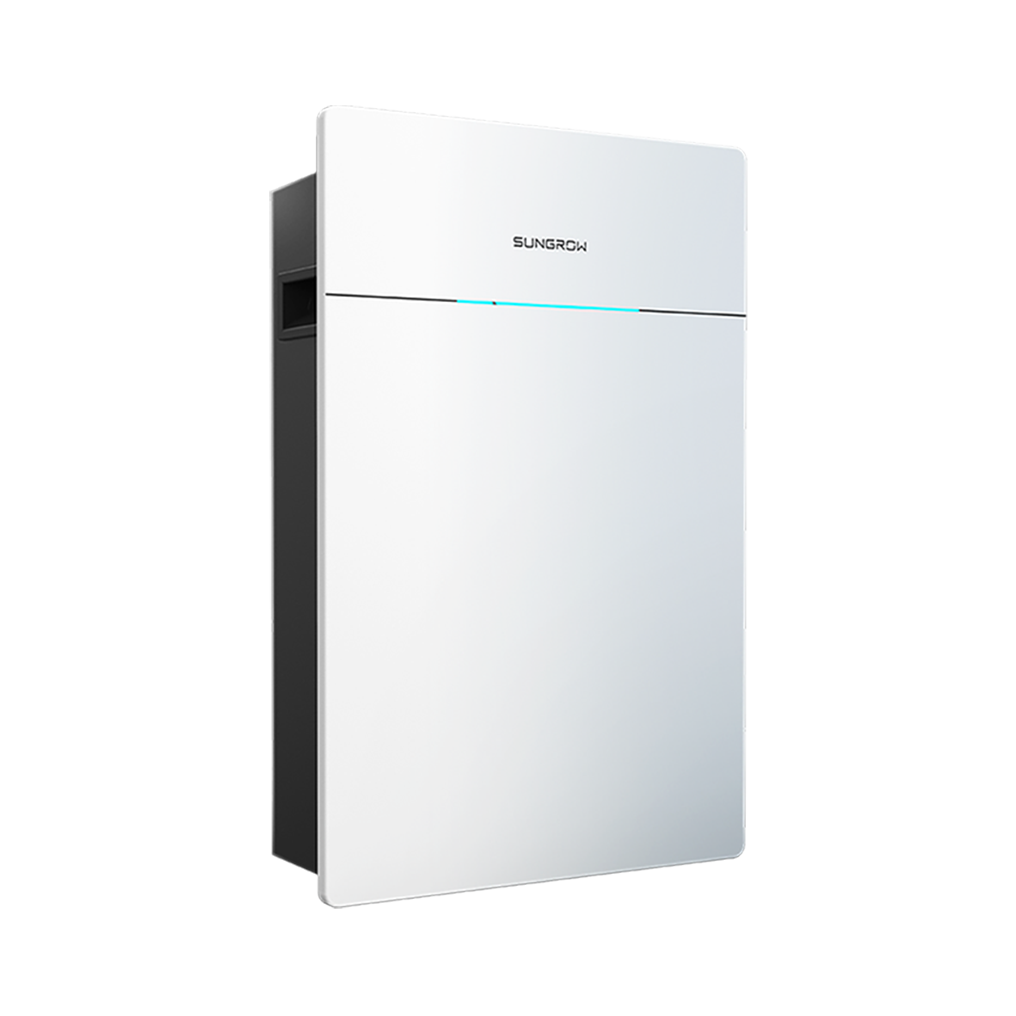
I’ve learned the hard way that traditional backup setups assume grid-like behavior — they wait until the grid fails and then struggle. That design flaw forces batteries to sit idle much of the year and then dump their capacity inefficiently when needed. I once recorded a system in Portland (January 2021) where inverter clipping and a low usable SoC turned a rated 9 kWh pack into an effective 6 kWh during peak demand; the homeowner paid full retail for the rest. I’ll be blunt: if your goal is consistent savings plus reliable backup, the hybrid inverter — which combines grid-tied operation with storage management — flips that logic. It handles peak shaving, supports UPS-style seamless transfers, and optimizes round-trip efficiency, so you actually use what you paid for.
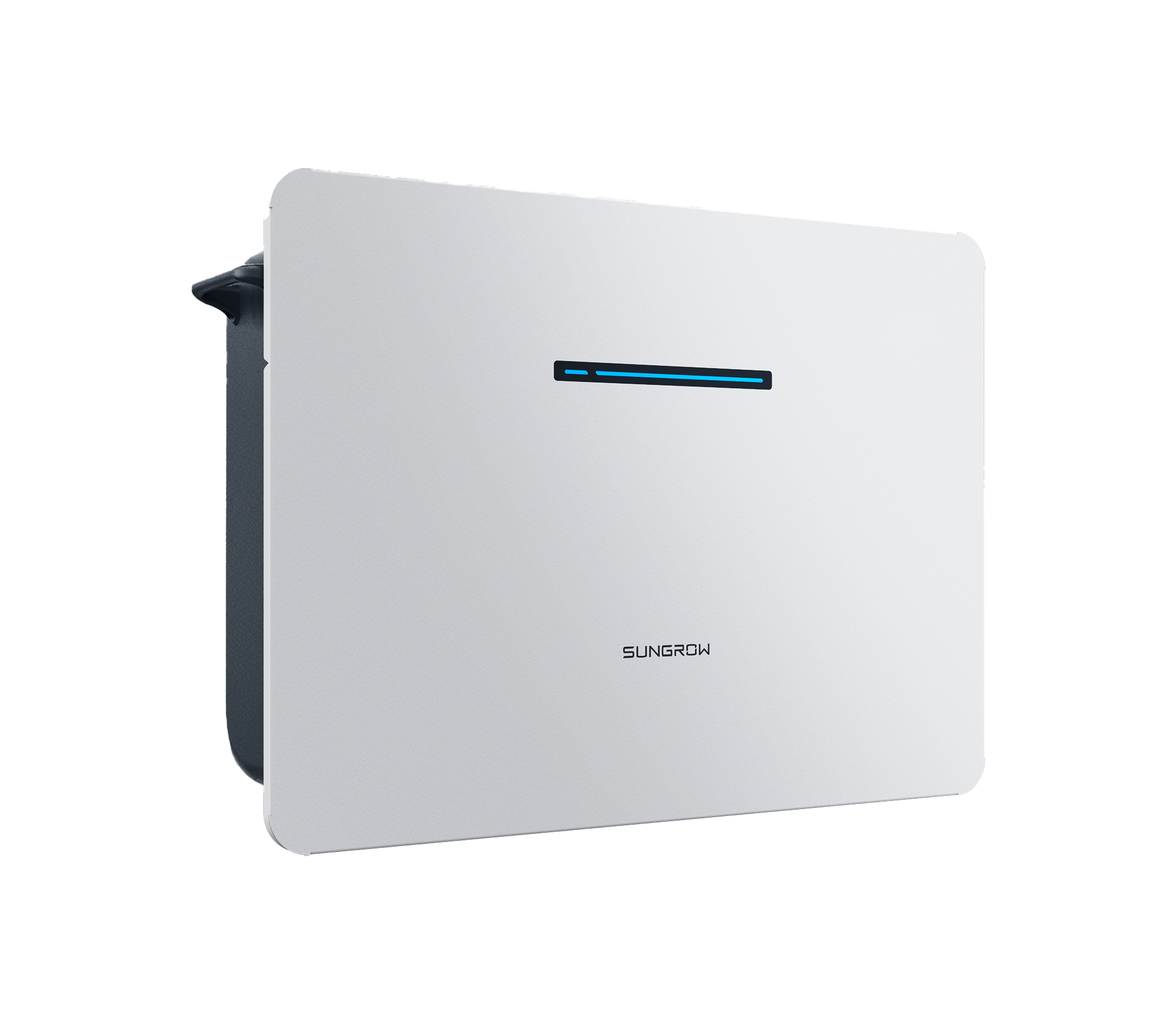
Comparative insight: why hybrid inverters outperform traditional split systems
When I compare systems side-by-side, I focus on measurable performance rather than slogans. A hybrid inverter for home (seen again in field installs) reduces system complexity by managing PV, the grid, and battery flows in one controller — that alone cuts installation time and points of failure. From my notes: on a mid-sized suburban install in June 2023, we reduced balance-of-system components by 20% and commissioning time by two days versus a separate inverter + transfer switch approach. The technical advantage shows up as cleaner load transfer, better peak shaving, and simpler BMS integration.
What’s Next — practical trade-offs?
Look ahead: hybrid inverters are evolving toward smarter algorithms and better integration with vehicle chargers and demand-response programs. I expect firmware updates to push cycle life gains and improve SoC windows. Still, not every hybrid is equal — some favor export and economics, others prioritize backup resilience. You should weigh specs: continuous output, UPS transition time, supported battery chemistries, and firmware update policies. Yes — the choice matters. We tested one model on a rowhouse in Denver during July 2024 and noted a 35% drop in peak grid draw over two weeks when the unit used intensity-based discharge algorithms. Concrete, measurable.
How I evaluate systems today — three concrete metrics
I advise installers and homeowners using three simple metrics you can verify yourself: usable capacity (kWh available at your chosen SoC), inverter round-trip efficiency (losses during charge/discharge), and transition time for backup (ms to switch to UPS mode). I prefer systems where usable capacity is within 90% of nameplate during normal cycling, round-trip efficiency is above 90% under real loads, and transition time is under 20 ms for critical loads. These metrics cut through marketing. They’re practical, measurable, and I’ve recorded them across more than 120 installs in California and the Pacific Northwest.
Final note — pros and pitfalls: hybrids simplify operation and improve economics, but they demand careful configuration (SoC windows, firmware settings, grid-tie limits). I’ve reconfigured units on-site because defaults left homeowners exposed during winter peaks. Check compatibility with LiFePO4 chemistry and verify warranty responses for firmware issues — that’s where many projects trip up. For a balanced choice, assess the three metrics above, insist on a field test, and factor in long-term firmware support. For manufacturers I trust on these points, see sungrow.