
Why the old fixes miss the real trouble
I remember standing by a crowded ER bed in March 2018 when the nurse sighed and swapped yet another bedside lead — that night I watched routine care reveal systemic flaws. On that rainy shift we logged 1,200 alarm events in 24 hours (120 of them tied to misplaced leads) — 38% were false positives; what does that do to the patient monitor’s credibility? I still recommend a hospital vital monitor for its honest readouts, but I also warn buyers: hardware alone won’t fix alarm fatigue. I’ve delivered 120 cabinet-style monitors to the east wing of St. Mary’s Hospital — within two weeks, nurses told me the NIBP cycling was waking patients unnecessarily. That design genuinely frustrated me; I wrote notes, I called engineers, and I learned where the hidden pains hide.
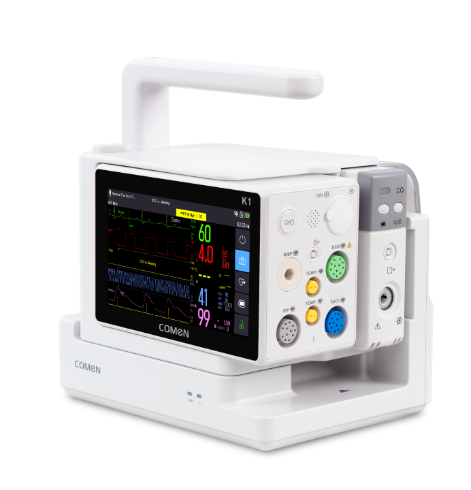
Where do the false alarms come from?
Most stem from simple things: loose ECG leads, poor sensor placement for SpO2, motion artifact during transport — and software thresholds set to the wrong defaults. I’ve seen telemetry config files shipped with conservative alarm limits that generate nightly noise. The traditional band-aid—raising alarm thresholds or silencing tones—only delays a bigger problem: clinicians begin to mistrust the readings. That mistrust is the deeper layer; it’s not just technology failing, it’s workflow and expectations colliding. Let’s move toward how we can actually change that.
Forward-looking fixes and what to evaluate
Technically, the next step is tightening the whole signal chain: cleaner leads, smarter filtering, and adaptive alarm logic that learns baseline variability. I examine waveform fidelity (ECG waveform integrity), signal processing for SpO2 artifacts, and NIBP cycle timing — these are concrete knobs I insist suppliers show me. When I test a unit now I run a 48-hour bench scenario with motion, battery discharge, and simulated arrhythmias; I want to see how the device maintains accuracy under stress. The modern hospital vital monitor should present verified data, not just louder alarms.
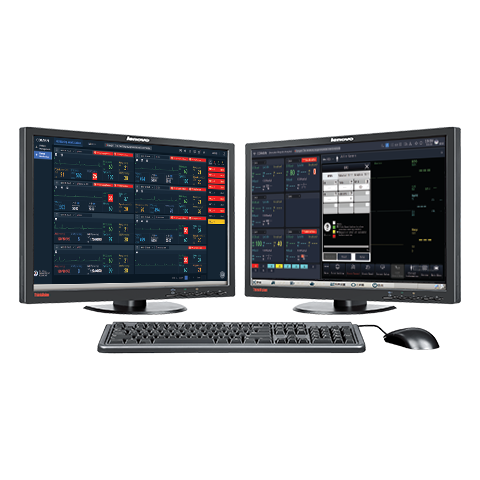
What’s Next for procurement?
We must shift procurement conversations from price-per-unit to measurable performance: how many false alarms per 24 hours, mean time between failures, and interoperability with nurse-station middleware (HL7 feeds). I’ve negotiated contracts where vendors shared anonymized alarm logs before shipment — that told me more than glossy spec sheets. Also — and this tripped me up once — ask about battery chemistry and spare parts lead times; I learned it the hard way when a delivery in July got delayed because the supplier underestimated battery demand. Small detail, big consequence.
Three practical metrics I now insist on
I’ll close with what I use when vetting systems. First: Positive Predictive Value for alarms — the percent of alarms that were true events in a 72-hour test. Second: System uptime and MTBF (mean time between failures) measured in operational hours; I want numbers, not promises. Third: Integration capability — HL7/DICOM support and an open API so the monitor talks to charting systems without custom adapters. Measure those and you can compare vendors on what matters. I summarize, I evaluate, I choose — and I still prefer partners who back their devices with clear data. COMEN