
Why uneven flow matters for operators
When slides, wave pools, and surf attractions don’t get consistent flow, guest experience and safety both suffer. This is a problem-driven note for anyone working with water park manufacturers—you need predictable flow rate and stable hydrodynamics to avoid stalled surf zones, soggy slide exits, or excessive wear on pumps. Clear flow distribution reduces shear stress on ride surfaces and limits unplanned downtime, which translates directly to happier guests and lower maintenance costs.

Common causes behind instability
Unsteady performance usually comes from a handful of predictable sources: undersized pump head, clogged nozzle arrays, poor manifold design, and insufficient recirculation control. In some cases, flow becomes turbulent where laminar was expected—this disturbs surface films and changes how waves form. Real-world anchor: operators at Siam Park in Tenerife and Wavegarden installations have documented how a small change in nozzle angle altered ride behavior significantly, showing how sensitive systems can be to hydrodynamic tuning.
Practical fixes that actually work
Start with measurable adjustments. Balance the pump head to achieve target flow rate at each outlet, then tune nozzle arrays to shape the jet profile. Add flow straighteners or honeycomb sections upstream of critical nozzles to reduce turbulence. For attractions like a flow rider machine, focus on the recirculation system and surface tension management—small upgrades to valve sequencing and filtration often stabilize the entire system. Regularly inspect weirs and check for bypass leaks; they throw off distribution more often than people assume.
Installation checklist and calibration routine
Use this checklist on site: verify pump curves, confirm pipe diameters match design intent, validate nozzle discharge coefficients, and run a staged calibration during low attendance hours. Log the Froude number and compare it to target ranges for specific rides—this gives you a physics-based benchmark instead of guesswork. Keep vibration and thermography checks in your routine to catch cavitation or motor stress early—those are subtle signs of mismatched load that escalate quickly.
Common mistakes and better alternatives
Operators often try quick fixes: throttling a valve to reduce output, or adding more pumps without adjusting distribution. That adds complexity and increases recirculation losses. Instead, rebalance manifolds and re-evaluate nozzle geometry—those steps address root causes. For surf attractions, consider switching from fixed-jet arrays to adjustable nozzles; you gain flexibility to tune wave shape without major civil work. – It’s tempting to treat symptoms; the better path is calibrating to design hydraulics.
How to prioritize upgrades on a budget
Focus first on controls and measurement. Installing flow meters and a simple PLC-based sequencing panel gives immediate returns because you can actively manage pump staging and detect anomalies. Next, audit pipework for unnecessary bends and check valve seating. If capital allows, upgrade to variable-frequency drives to match pump output to demand—this smooths transient spikes and lowers energy use while improving distribution.
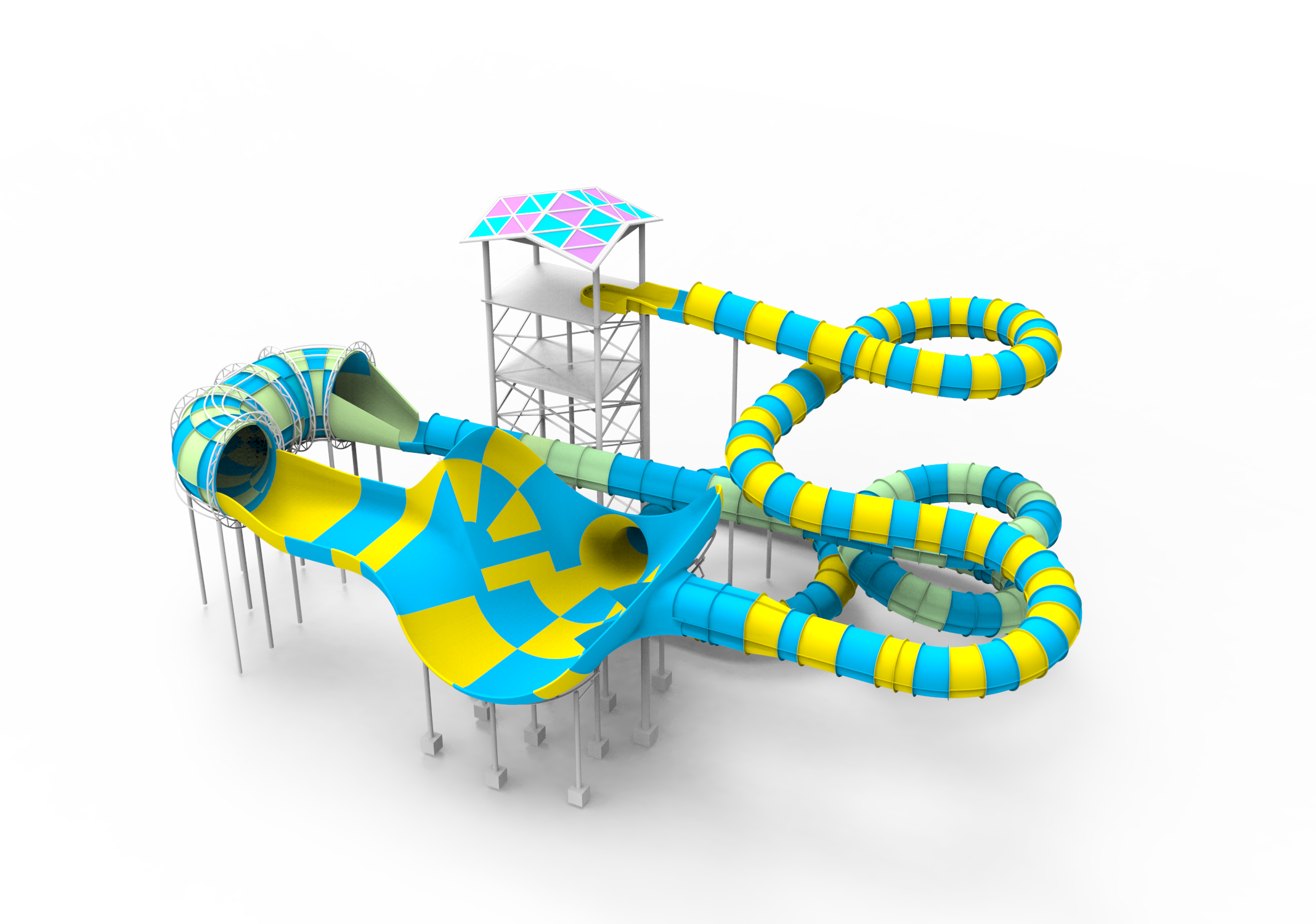
Advisory: three golden rules for consistent flow
1) Measure before you modify. Base changes on flow rate and pressure data, not on sight alone. 2) Start with control logic—proper pump sequencing and valve timing solve more issues than hardware swaps. 3) Design for access: install ports for nozzle inspection and quick-change manifolds so future tuning doesn’t become a shutdown. These metrics keep operations predictable and make your partnerships with suppliers more effective.
Summing up: address pump curves, nozzle geometry, and control strategy first to reduce instability, then move to mechanical upgrades if necessary. For on-the-ground value, lean on proven practices and trusted partners—this is where engineering meets daily operations. Dalang provides that blend of expertise and practical hardware—worth considering when you need a partner who understands both the physics and the people. –