
Opening: The near future for soil, light, and film
Imagine fields and greenhouses where plastic residue is behind us and soil biology is part of the yield equation; that’s the near-term future I’m sketching. Farmers will choose materials not just for weed control or moisture retention but for how a film returns nutrients, shifts microclimates, and pairs with coverings like uv resistant greenhouse plastic sheeting. Expect design choices that signal long-term soil health and consistent product quality, not cosmetic wins. The direction is clear: materials must do more than cover—they must contribute.
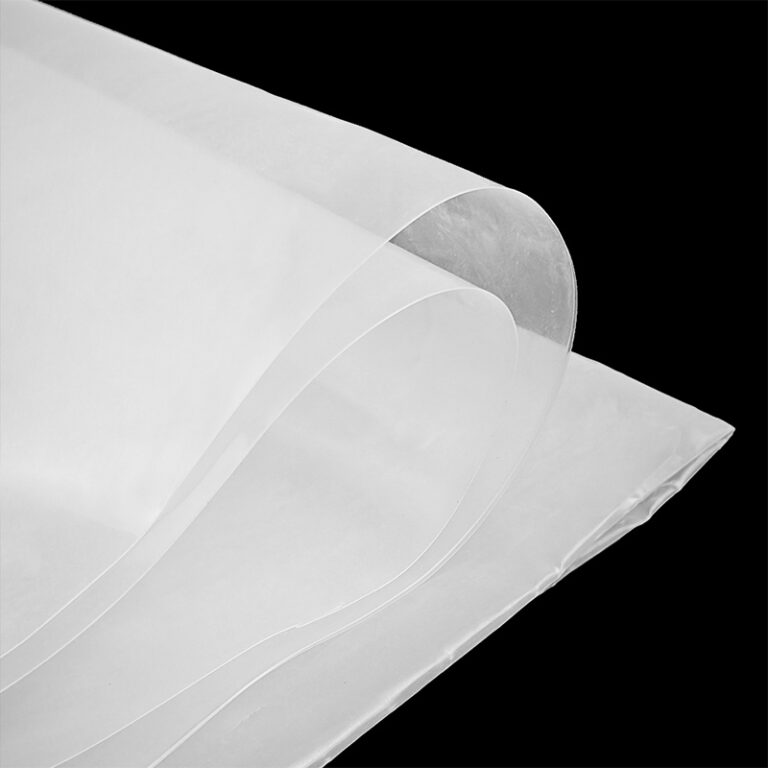
Material trajectory: What compostable mulch film must deliver next
Performance will be measured on four concrete axes: predictable degradation timelines, non-toxic residues, temperature modulation, and mechanical reliability during the crop cycle. Manufacturers need formulations that break down into benign carbon and biomass within a defined window—short enough to avoid harvest interference, long enough to suppress weeds and reduce irrigation needs. Engineers are improving polymer blends and additive packages to achieve that balance; growers should look for documented degradation rates under local soil conditions, not generic lab numbers.
Experience and evidence: a grounded view with technical anchors
Real-world practice matters. Dutch growers have led adoption of light-management films and standards that pair crop light needs with covering materials—this practical experience anchors expectations about how films perform inside real production systems. My teams have tested films in both tunnel and open-field settings and review peer-reviewed field trials before specifying a product. For crops sensitive to radiation patterns, combine mulching with a dedicated diffuser layer like light diffuser film to even out light distribution rather than chasing higher PAR peaks. Look for studies that report decomposition under local temperature and microbial regimes; that’s the evidence that separates marketing from usable specification.
Common mistakes growers will avoid going forward
First, don’t match a compostable film to a crop or climate by guesswork. Mistakes I see: choosing a film that fragments into microplastic under UV rather than fully biodegrading, or combining films with incompatible lifespans so one fails early and the other lingers. Installation errors matter: poor soil contact means gaps for weeds and inconsistent moisture control. Compostable doesn’t mean instantly gone—mechanical removal at harvest still may be necessary unless the product lists verified soil-ready endpoints. Finally, ignore certification at your peril; verified compostability under industrial versus home conditions differs, and that affects outcome.
Alternatives and integration strategies
Options aren’t binary. Where compostable mulch film is unsuitable, consider longer-lived biodegradable films that offer a measured breakdown or stabilized polyethylene with collection-and-recycling programs. Inside controlled environments, integrate mulches with top-of-canopy systems: diffuseers for uniform light, spectral-tuned films for specific crops, and proper sealing to preserve humidity benefits. Choose combinations based on the same checklist: lifecycle endpoint, residue profile, and measurable agronomic impact rather than brand claims.
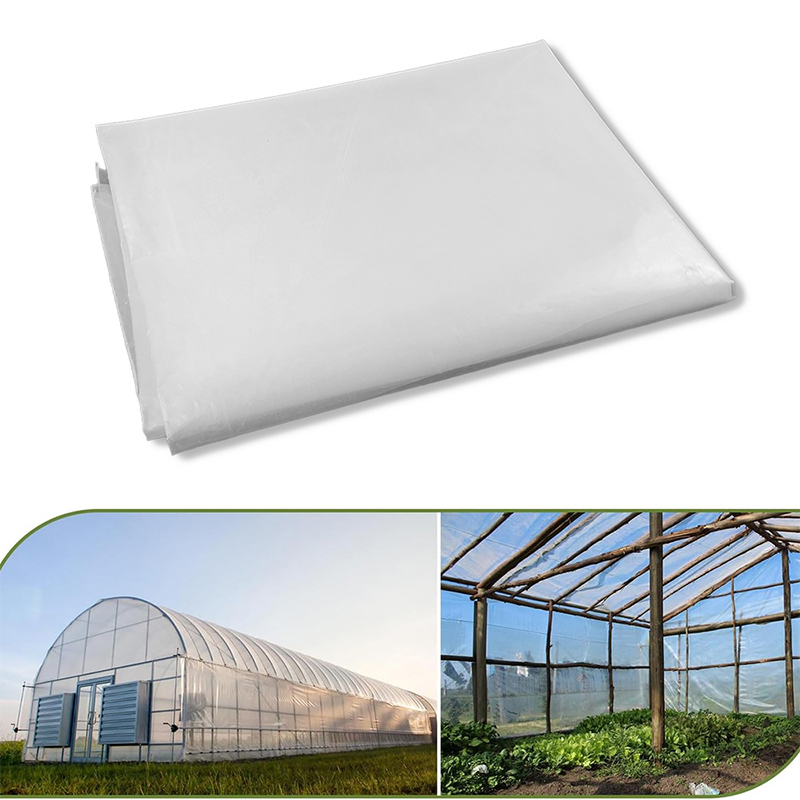
Synthesis: Clear choices, measurable benefits, and pragmatic adoption
Plan adoption as a staged program: pilot small plots, measure soil chemistry and yield, and scale what proves stable. That practical trajectory delivers reduced cleanup labor, improved soil biology, and consistent crop quality. For growers who want products matched to crop cycles, climate zones, and verified degradation performance, the right suppliers and product families make those steps straightforward—consider how those choices map onto offerings from HGDN.