
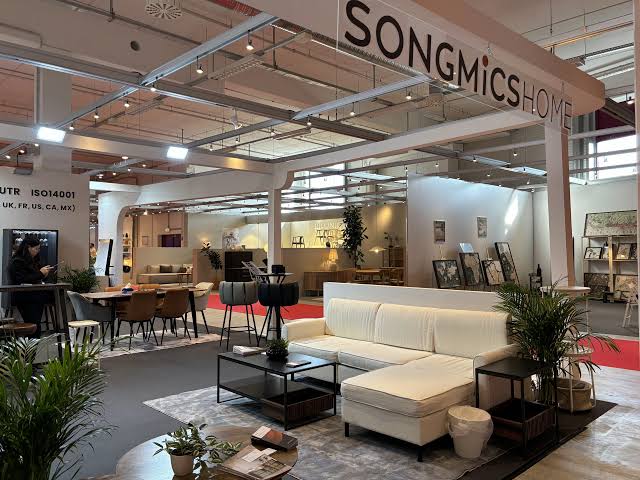
Introduction: The Moment Your Installers Wait and the Clock Eats Profit
Let me say it plain: when a fit-out stalls, it ain’t “just one of those days”—it’s a system talkin’ back. In the rush of wardrobes supply, small misses stack up like wet firewood. If you’re one of the bedroom wardrobe manufacturers trying to sync sales and stock, you’ve seen it: doors are ready, rails are late, installers sit idle, and the phone won’t quit. Shop-floor studies often show 10–20% lead-time swing, and SKU drift adds another bite when variants multiply. Now, that’s not doom—it’s a clue. What if the issue isn’t capacity, but how we plan edge-band, hinge kits, and carton sizes across the bill of materials (BOM)? (I’ve watched it go sideways right at the last mile.) So here’s the question folks in our holler always ask: if the work is steady, why ain’t the cash steady too?
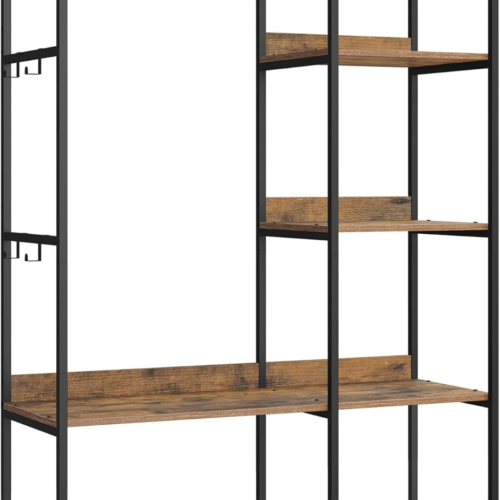
Data tells a simple tale: mismatched MOQs swell inventory, while CNC nesting and edgebanding slots bottleneck when change orders hit. Look, it’s simpler than you think. Fix the rhythm, fix the outcome. Let’s compare paths and see where slack hides—and how to pull it out without pulling your hair. On we go.
Part 2: The Deeper Layer—Hidden Pain Points the Usual Sourcing Plans Don’t Catch
Why do timelines slip?
The old fix says “order earlier” or “pad the calendar.” That’s a patch, not a plan. The deeper pain is variant complexity meeting tight windows. Say you carry 40 door finishes, five handle sets, and two frame specs. That’s hundreds of micro-combos. When handle MOQs don’t align with door MOQs, you’re either short-kitting or bloating stock. Soft-close hinges arrive; cam lock fittings don’t. The carcass sits. Then your CNC drilling schedule shifts, and the edgebander idles—funny how that works, right? Hidden cue: the BOM isn’t modular enough, and your lead-time variance lives in subassemblies, not the big pieces.
Another quiet trouble is data handoff. Sales promises a tall unit; engineering receives a wide one. One digit off, and MDF density and hardware counts go sideways. That’s not a moral failing, it’s a pipeline design flaw. You need SKU rationalization, variant rules, and a clean spec sheet that machines can read. You also need to align packaging with routes; otherwise, cartons pass the warehouse twice. Direct fix, technical pace: modular BOMs, parametric cut lists, and a rule-based picker in the WMS. Do that, and small parts stop tripping big deadlines. Look, it’s simpler than you think—if you cut noise at the source.
Part 3: Comparative Insight—Old Chains vs. Smarter Streams
What’s Next
Let’s lay two paths side by side. Old chain: bulk order by forecast, fight shortages with rush buys, and blame “seasonality” when installers wait. Smarter stream: run modular kits with just-in-time (JIT) buffers, match MOQs across hinges, rails, and panels, and use CNC nesting software to backfill idle minutes. New technology principles help here. A light digital twin—not fancy talk, just a mirror of the floor—maps where your real bottleneck hides. RFID tags on hinge kits reduce mis-picks. A small WMS rule tweaks slotting so the most-called SKU sits closest to the dock. Layer a Kanban signal for carton inserts, and the line breathes easier. If you trade in wardrobe wholesale, the same rules scale: align packaging specs with distributor racking, or your handling time balloons. This isn’t buzz; it’s nuts and bolts with a cleaner map.
Real-world impact looks like this: fewer partial kits, fewer “where’s the rail” calls, steadier throughput. You trim rework because the BOM got modular. You trim buffer because the MOQ links make sense. And you don’t chase ghosts—your metrics show where the day slipped. We’re not chasing miracles. We’re comparing two ways to see the same work, and picking the one that makes crews nod and trucks leave on time—funny how simple that sounds, right?

Advisory close—three checks before you choose a path: 1) Variance control: can your partner show lead-time variance at the subassembly level (hinge kits, rail sets, panels) week over week? 2) BOM maturity: are your modules parametric and machine-readable, with CNC and edgebanding rules baked in? 3) Flow proof: can the warehouse simulate slotting changes and carton sizes before a live run, with actual picks-per-hour and mis-pick rates logged? If those three boxes get a clear yes, the rest is a matter of steady hands and honest clocks. When you’re ready to compare notes with folks who live this work, you’ll find plenty of open doors at SONGMICS HOME B2B.