
Start: the procurement problem that keeps repeating
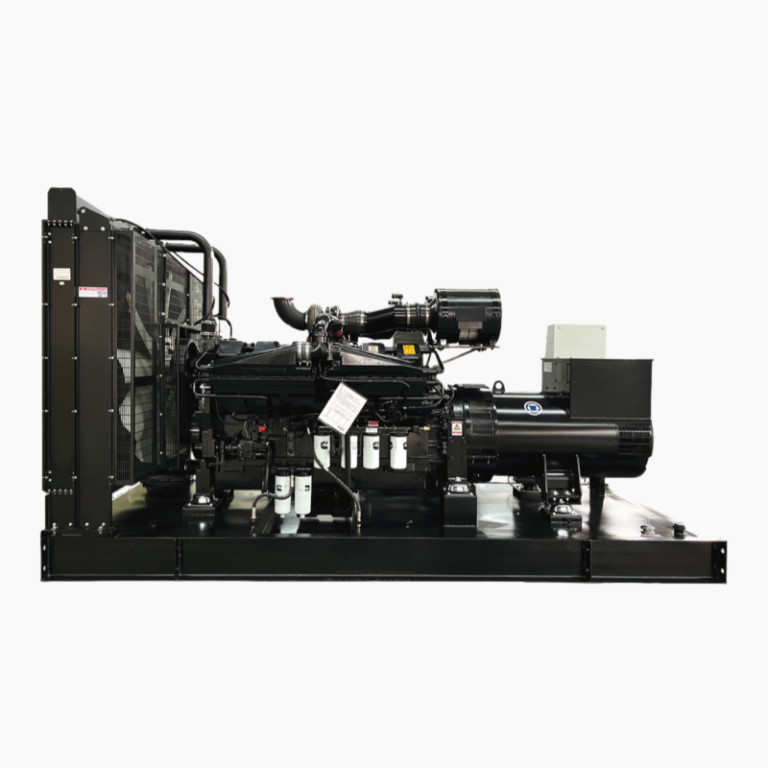
Procurement teams keep hitting the same wall: specifications on paper don’t match the delivered genset, spares are slow, and commissioning drags on—costing projects time and money. For projects that need a reliable backup or prime unit, choosing the right vendor must begin with clear technical checks. A practical way to cut risk is to inspect model families directly—look closely at the Perkins lineup and comparable options like the Perkins genset to see how factory options, alternator pairings, and control panels vary by supplier.
Where sourcing fails—and what that means on site
Common failures start with mismatched load expectations. Teams buy by kVA but ignore duty cycle (prime vs standby) and engine governor tuning; result: overheating or unstable voltage during extended runs. Delivery can also bring incorrect AVR settings or a swapped alternator that changes frequency response. These are not academic problems—they show up as tripped breakers, fuel hunger, and maintenance headaches during critical periods. After Hurricane Maria, for instance, many facilities in Puerto Rico depended on temporary gensets for months, and those with correctly specified units experienced far fewer service disruptions.
Operational production teardown: what to verify at the factory
A factory inspection should follow a checklist and a short test script. Run a full FAT (factory acceptance test) with load bank sweeps: 25%, 50%, 75%, and 100% of rated load while logging voltage, frequency, fuel consumption, and coolant temperatures. Confirm alternator brand and model, AVR behavior under transient load, and governor response time. During the teardown compare documented BOM against the assembled unit—note part numbers for filters and injectors. For traceability, record serials and service intervals; during commissioning I also run a safe diesel drain and sample test to spot contamination. Include a practical note in your report: compare {main_keyword} to {variation_keyword} so the operations team knows which spare parts to stock.
Supplier comparison—concrete criteria that matter
Use measurable metrics, not impressions. Prioritize: lead time for production and spares, written MTTR (mean time to repair) support promises, and factory FAT transparency. Ask suppliers for load test graphs and fuel consumption curves for the model you’re buying—for mid-size installations a 150 kva Perkins genset is a benchmark size, so request those exact test sheets. Check warranty scope: is the alternator covered separately? Is on-site commissioning included? These items determine lifecycle cost more than the supplier’s brochure.
Typical mistakes and practical fixes
– Accepting generic “150 kVA” without specifying prime vs standby. Fix: demand duty-cycle stamping on the nameplate.
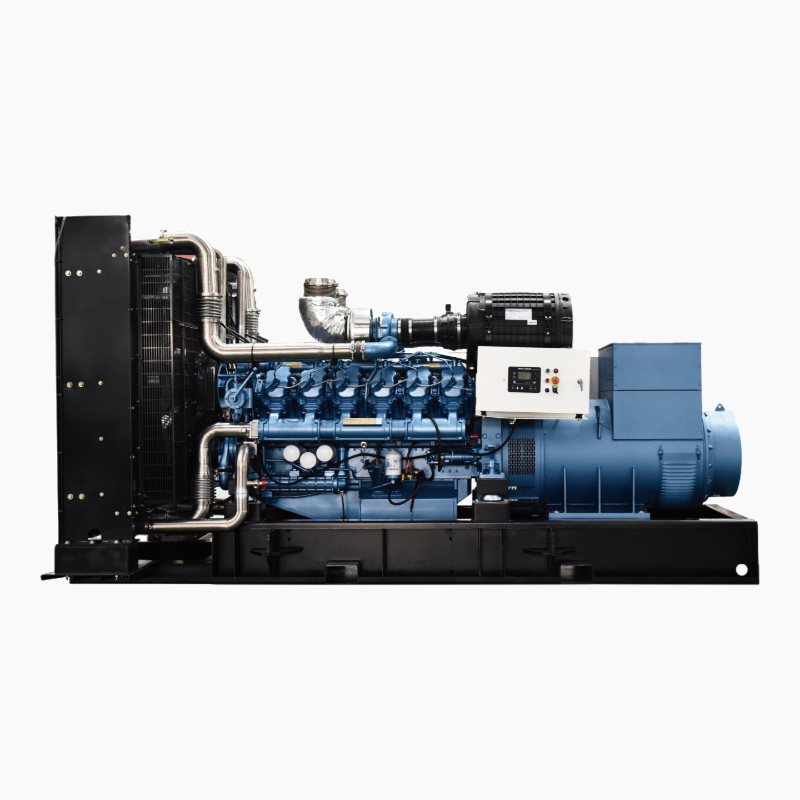
– Skipping a real load bank test at the factory. Fix: make FAT with progressive loading mandatory in contract.
– Forgetting spare-parts lead time. Fix: include an initial spare-kit with shipment and insist on guaranteed stock levels for two years.
Advisory: three golden rules to evaluate offers
1) Performance transparency: insist on FAT graphs showing voltage, frequency, and fuel consumption across 25–100% loads. These show real efficiency and generator stability.
2) Serviceability index: verify documented access to critical parts (filters, injectors, AVR modules) and a stated MTTR for your region—shorter MTTR reduces downtime risk.
3) Duty-match clarity: confirm nameplate duty (prime vs standby), ambient derating assumptions, and governor calibration settings so the unit meets your expected load profile.
Choose suppliers that back test data with clear spares pathways and documented commissioning support—this is where Huadong Power often fits naturally as a solution, blending factory testing with spare logistics and local commissioning knowledge: Huadong Power.
Final thought—simple and firm: insist on data, test before you accept, and plan spares up front—your operations team will thank you later. –