
Introduction
Let’s be real: the room changed before the people did. Many teams flipped to screens overnight, and some never came back full-time. Hybrid meeting room solutions stepped in to stitch the room and remote folks together, but the seams still show. The heart of that fix is the audio visual system, and it carries the load when voices, slides, and faces have to feel live. In a typical day, your crew hops through three platforms, two spaces, and one deadline—while the AV rig handles beamforming microphones, room DSP, and even edge computing nodes. Yet 32% of calls still run long due to tech delays (yeah, you feel that).
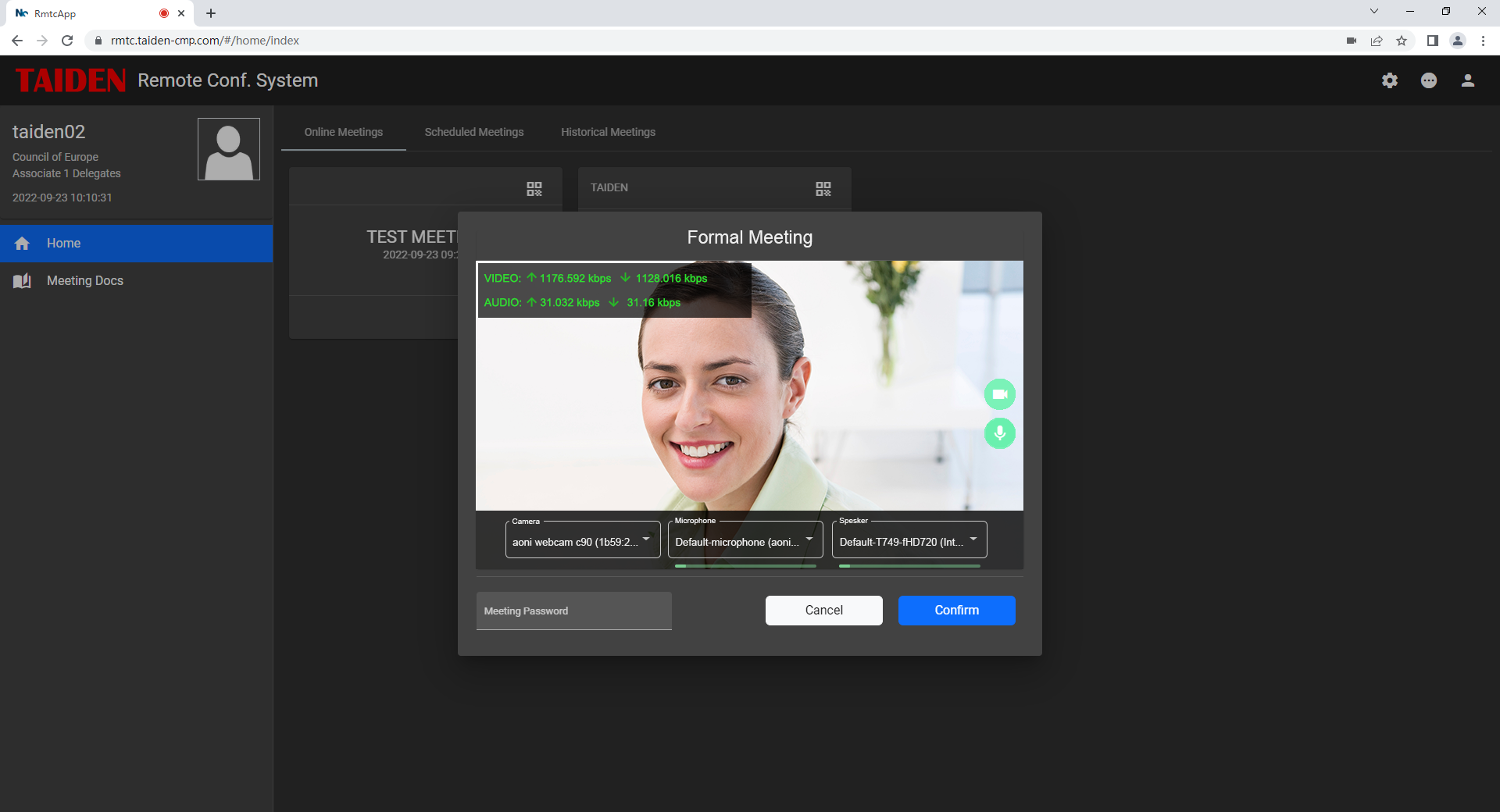
So ask yourself: if the gear is “smart,” why does it still slip? Are the codecs tuned? Are the presets built for actual people—or just perfect rooms? (Because the rooms ain’t perfect.) We’re going in with a clear lens, short on hype, and long on what actually works. Next up, we’ll compare the shiny promises to the daily grind and dig into where the friction really lives.
The Quiet Friction Inside Your Audio Visual Stack
What’s the real bottleneck?
Hidden pain points lurk in simple moments. Someone speaks. Another person asks, “Can you repeat?” That tiny loop points at a shaky latency budget or sloppy AEC settings. Look, it’s simpler than you think—and harder, too. Traditional rooms assume one seat at the head of the table and one screen on the wall. But hybrid means multiple talkers, mixed lighting, hot desks, and folks joining from a bus. If your audio visual system can’t pace sound and video within tight jitter windows, the brain flags it as “off,” and attention drops. Then users blame the platform, not the room—funny how that works, right?
Power is another soft fail. Daisy-chained gear through old power converters and mixed PoE switches introduces noise and random resets. Network paths matter, too; without QoS policies, your packets fight cat videos for airtime. And when presets are locked for “big room” mode, small huddle spots echo like a tunnel. The core issue: traditional designs chase symmetry, not behavior. People move. Masks muffle. Keyboards click. If the system can’t adapt—with live EQ tweaks and auto camera framing—it turns every meeting into a test. That’s the friction you feel even when nothing “breaks.”
Looking Ahead: How the Stack Evolves
What’s Next
New principles cut through those flaws. Think adaptive pipelines, not fixed scenes. On the audio side, room-aware DSP now listens first, maps reflections, and updates AEC weights in real time. Video pipelines use adaptive codecs and tighter jitter buffers to steady motion without smearing faces. Edge orchestration splits work: capture and preprocessing near the mic array; heavy inference at edge computing nodes; cloud steps in only when it adds value—no extra round trips. The shift is from static presets to intent-based profiles that follow the conversation, not the chair.
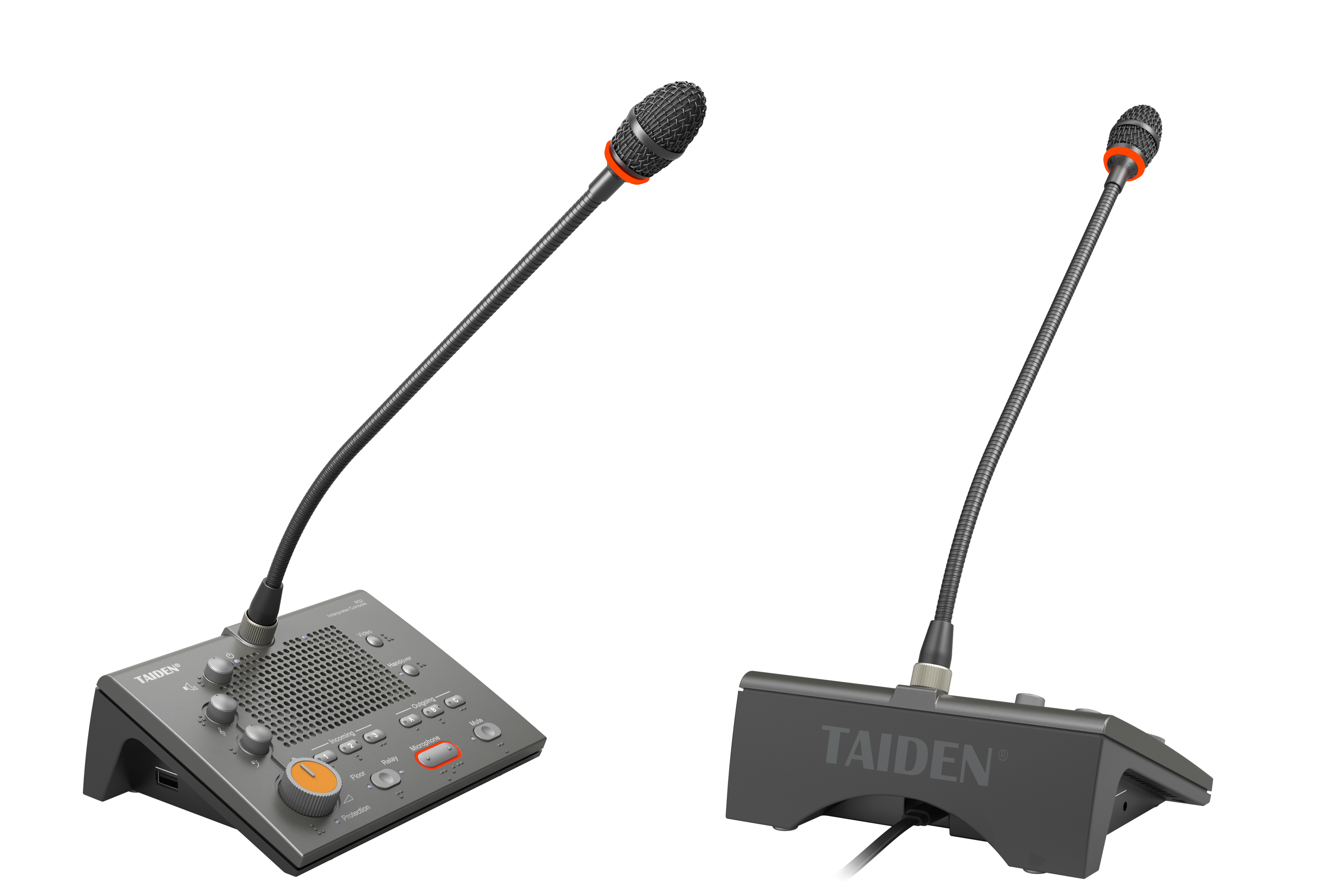
On the meeting layer, platforms expose APIs that let the room signal context: number of talkers, noise floor, even seated density. Your hybrid meeting technology then picks scenes like “panel,” “brainstorm,” or “stand-up,” instead of a generic “conference” mode. Network-wise, smarter QoS tags protect voice first, then video, then screen share. And yes, UDP-first for real-time, with graceful fallback—because the internet be the internet. The net effect: fewer stalls, clearer handoffs, less fatigue. That’s how the new stack turns messy reality into workable flow—and that’s the whole point, right?
Choosing Smart: Quick Metrics That Matter
We’ve seen where old rooms stumble and how the newer stack learns the room. So, when you evaluate, don’t chase buzzwords—measure outcomes. Here are three metrics that keep you honest and save your team’s patience—and that’s the rub.
First, End-to-End Latency Budget: under 150 ms round trip for speech turn-taking, measured from mic to earbud across sites. Second, Adaptive Stability Index: how fast the system retunes AEC, EQ, and camera framing when people move or noise spikes (target under 3 seconds to settle). Third, Network Resilience Score: packet loss tolerance at 2–5% with QoS policies applied and no perceptible lip-sync drift. If a vendor can prove these in your space—with your people—you’re close. Keep it human, keep it testable, and keep it flexible. For a deeper look at where these systems are headed, watch the standards bodies and real-world rollouts from partners like TAIDEN.