
Introduction: Defining the decision space before your next build
A lighting spec is not just style; it is a system constraint with cost, weight, and power rules baked in. In many bids, nan shows up in the brief as if it explains the gap—yet it rarely does. When teams rush from schematic to tender, custom chandelier manufacturers can pull lead time from months to weeks by aligning form with driver circuits and thermal management early. Data backs the shift: project surveys show 30–40% of overruns trace to late lighting changes, while average legacy lead time runs 12–18 weeks for complex fixtures. So, what breaks first—budget, schedule, or the supply path? (Usually, all three.) The real question is whether your spec can meet lumen output, CRI, and IP rating without forcing a redesign down the line. Look, it’s simpler than you think if you treat the fixture as a system, not a catalog line. The next step is to compare where friction hides—and how to remove it without losing design intent.
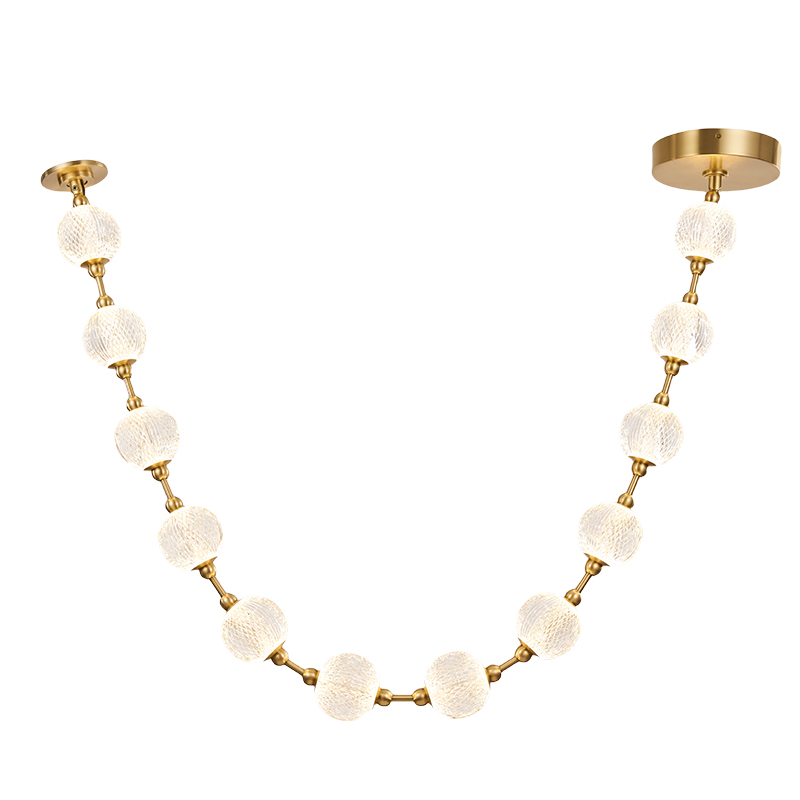
Hidden pain points that stall chandelier projects
Why do spec sheets mislead?
Legacy sourcing looks easy on paper. A glossy cut sheet claims fit, finish, and power. But once the shop drawing arrives, power converters, driver placement, and optical diffusion start to fight the ceiling box, not to mention weight limits. The flaw is baked in: traditional routes separate design, fabrication, and integration. That separation drives rework. It also hides real mass, heat, and mounting data until late in the schedule—funny how that works, right? With custom workflows, the bill of materials, lumen maintenance, and load paths get locked against real constraints before you order. That means fewer RFIs and less guesswork about brackets or junction boxes.
User pain points are routine: uncertain finish matching across batches; fixture sway because the canopy hardware was spec’d last; EM code checks failing due to driver location; and supply chain lead times that ignore site access windows. A direct path with experienced makers aligns UL listing, dimming protocols (0–10V or DMX), and canopy geometry with your ceiling grid. That kills the nasty surprises. It also clarifies installation sequencing for trades. More to the point, it lets you size wiring, select anchors, and set weight limits with confidence. The rule is simple: integrate early, ship once, install once.
Comparative shift and forward-looking methods
What’s Next
Now let’s move from pain to principles. New fabrication stacks blend parametric modeling, thermoforming of acrylic elements, and modular driver bays. In practice, that means geometry and wiring harnesses co-design in one pass. The result is less mass without lost stiffness, and better heat paths around driver circuits. Compared with old catalog picks, this stack produces tighter tolerances, cleaner seams, and fewer field mods. If you’re sourcing at scale, a partner offering acrylic crystal chandelier wholesale brings repeatable optics and consistent finish across batches—no last-minute shade swaps. And because optical diffusion is defined in the CAD model, you get predictable lux maps before you pour concrete. Small change, big effect.
Summing the comparison: legacy chains push decisions late; integrated makers pull them forward. That flips risk into planning. You saw how late data caused rework; here, early data trims it. The future leans on three habits—model once, verify loads and dimming early, and lock the finish protocol with the same vendor who builds the canopy. Advisory close: use three metrics when you choose a path. First, integration depth (drivers, mounts, anchors in one validated package). Second, verifiable performance (photometrics, CRI, and power factor from a matched sample set). Third, install clarity (hardware maps, lift plan, and service access spelled out). Do this and schedules shrink—cost creep does too. That’s the quiet win—funny how that works, right? Learn it, share it, and keep the build moving with kinglong.