

A launch-day hiccup you can avoid
You know the scene. The team stands by the shelf on launch morning, watching the first customers lift a tester. The square perfume bottles look sharp, lights catching every edge. Yet the atomiser spits, or the cap tilts a shade to the left, and the moment wobbles. In retail trials, small defects like a 0.2 mm tilt or a neck runout beyond tolerance can drive up to a tenth of returns. If the bottle fails a drop test or the crimp pump does not seat, confidence drops with it. Are we comparing options on looks alone, while the real variables sit in the blind spot? (It happens.) Here is the question we must ask: which details keep the promise of the design, and which details break it—quietly—before it meets a basket? Let us move from the gloss to the guts, and set a clear path to compare the parts that matter next.

The hidden costs behind custom looks
Where do specs go wrong?
The trouble often starts in the spec stack, not the moodboard. With custom square glass perfume bottles, a sharp shoulder and crisp base push the mould hard. If perpendicularity drifts or the neck finish is off by a fraction, the crimp pump will not seat square. That shift shows up as off-centre spray, micro-leaks, or a cap that rocks. Mould tolerance, annealing stress, and base flatness form a system, not a checklist—funny how that works, right? Look, it’s simpler than you think: stack-up error grows at each step. A 0.15 mm skew at the neck plus a 0.1 mm warp at the base can read as a visible lean. Add a stiff collar and a tight overcap, and you have a twist on every third unit. The customer does not measure it; they feel it.
Hidden pain points live where geometry meets decoration. Square faces make alignment very public. If silk screen artwork misses the datum by a hair, the logo appears crooked against the edge. Spray coating can add microns that change fit, and frosting can hide tiny waves that cap fitters still meet. Volumetric fill must match internal volume, yet wall thickness varies near corners, so claims drift if capacity is only checked at the centreline. Shipping adds more risk. A crisp corner without a tiny fillet chips under vibration; base suction on the conveyor pulls when flatness is poor; QC yield sinks before you see the palette. None of this is dramatic; all of it costs. The fix is not only better taste—it is better control over the numbers that shape the touch.
Comparative signals: from manual checks to sensor-led control
What’s Next
The next wave is not a gimmick; it is a way to compare on facts, fast. Pair machine vision with laser profilometry and you get live maps of shoulder radius, neck runout, and base flatness for each bottle. Link that to SPC, and you see drift before it hits the line. When a square glass perfume bottle leaves the lehr, cameras can score corner integrity and detect inclusions that would chip in transit. Digital twins of the mould let you simulate glass flow at the corners to predict warp. You can then tweak gate balance or cool-down cycles to bring the diagonal widths within spec. It is a technical shift, yes, but the feel on shelf is very human—spray straight, cap stable, label true.
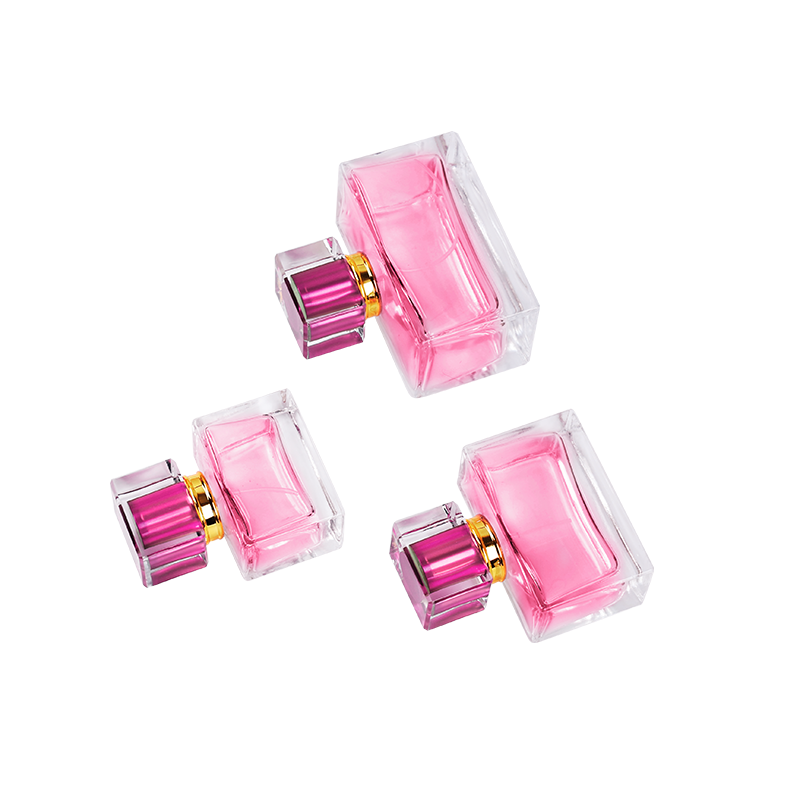
Compare the old way to the new. The old way waits for a failed crimp or a wobbly cap to show up in assembly. The modern way flags neck ovality at the hot end, and adjusts before the pump even arrives— and yes, it matters. Data follows each lot, so a batch that nears tolerance on base flatness does not get paired with a rigid overcap. Even decoration can ride the same loop: vision-guided alignment helps silk screen hits the datum, and adhesion gets scored after curing, not after freight. The result is not magic. It is fewer surprises, tighter fit, and a finish that survives the supply chain. In short, we compare options by how they manage variation, not just by how they photograph.
Before you choose, weigh three metrics. First, neck finish control: look for measured perpendicularity, runout, and crimp land roughness within stated tolerance, not just a sample pass. Second, geometry stability: request diagonal-to-diagonal spread and base flatness stats, plus corner radius control across heats. Third, finish durability: check coating adhesion, abrasion ratings after transit simulation, and label alignment accuracy against the primary datum. These give you a clean read on fit, finish, and flow, and help bridge design to delivery without guesswork. The path is practical, and it is measurable. Keep the story honest, keep the spec tight, and let the bottle do its quiet work. For further technical guidance without sales fluff, see NAVI Packaging.