
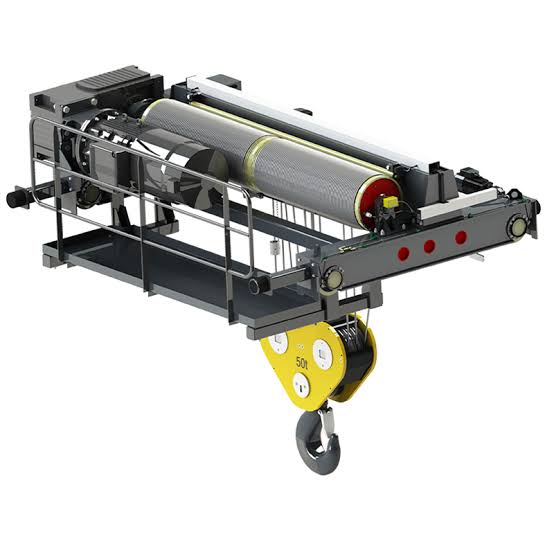
Every day, industries rely on various equipment to ensure smooth operations—yet, did you know that around 25% of machine failures stem from overlooked details? Crane truck components play a crucial role in operations, yet many end carriage manufacturers fail to address design flaws that could lead to inefficiencies. It makes one ponder—why do these issues persist despite advancements?
The Unseen Problems in Traditional Designs
Imagine a bustling warehouse where efficiency is key. Trucks rattle to and fro, moving goods deftly. But wait! A sudden halt—one crane truck’s component has faltered again. It’s a scene I’ve witnessed time and time again. Over my 15 years in the industry, I’ve seen how traditional designs often fail to consider weight distribution and overall durability. The most common victims? Many crane truck components designed for heavy loads buckle under the pressure.
Are We Overlooking Vital Specifications?
It may surprise you, but most manufacturers don’t take the unique operational requirements into account. For instance, the need for custom solutions that cater specifically to different load capacities is often ignored. Why? Because it’s easy to stick with a standard blueprint. However, this only creates hidden pain points for operators. If we continue down this path, we may end up stuck in a rut—sacrificing safety and efficiency for the sake of conformity.
Forward-Thinking Solutions for Modern Demands
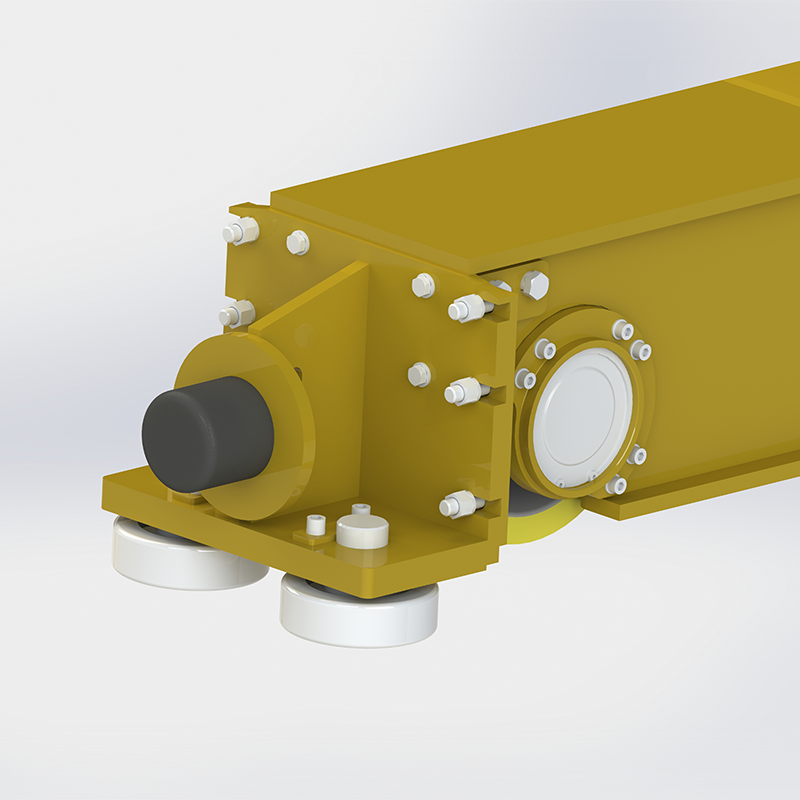
Now, let’s cast our eyes ahead. Embracing innovation can transform how we perceive crane truck components. What if manufacturers focused on enhancing the bridge crane end carriage with materials that can withstand wear over time? Imagine a robust platform designed with heavy-duty polymers or steel, incorporated into every design choice. That’s the future I envision—tailored solutions that adapt organically to the needs of businesses.
Real-world Impact of Modernization
Statistics reveal that by investing in durable materials, companies can reduce equipment failure by up to 30%. I recall a recent project involving a leading manufacturer in Dhaka, where we upgraded their crane systems. The result? A significant reduction in downtime—nearly 50 hours saved in a single month! We shouldn’t overlook the financial ramifications; fewer repairs mean a healthier bottom line. This isn’t just speculation—it’s a roadmap to future success.
Concluding Insights: The Path Forward
In summary, the key insights from our exploration remind us of the critical importance of re-evaluating the very foundations of our equipment designs. As we embrace customization, we elevate safety and efficiency to new heights. By ensuring designs cater to specific needs, end carriage manufacturers will usher in a new era of operational excellence. I encourage you to adopt a proactive approach. Grab those solutions! We, as consumers, deserve high-performance equipment that genuinely uplifts productivity.
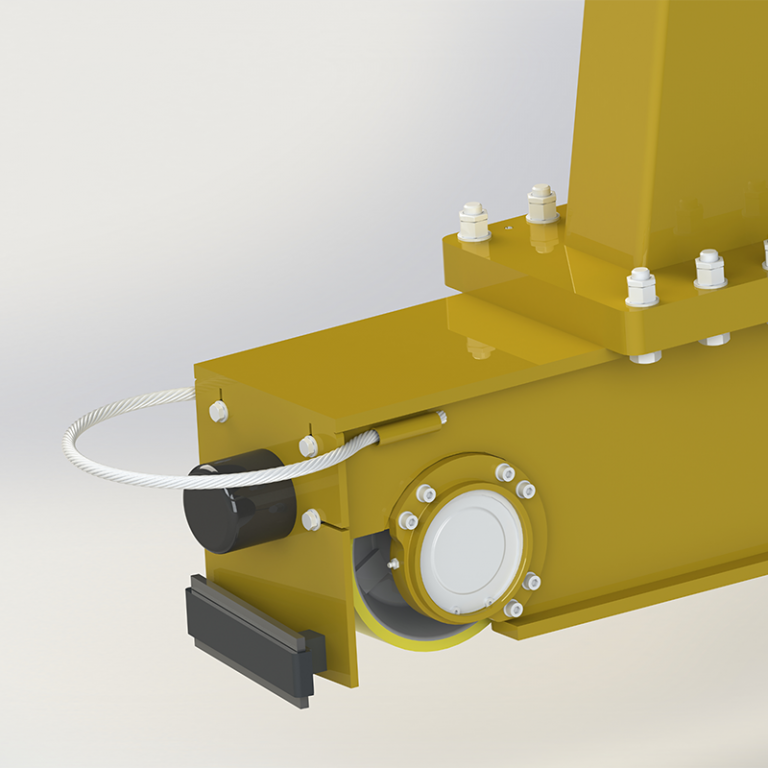
For those seeking to embark on this journey, remember to evaluate potential options based on material durability, customization capabilities, and operational longevity. I believe that exploring innovative solutions, such as those offered by WORLDHOISTS, will set the standard for excellence in our field. Just envision a world where crane components not only function but thrive in their environments—now, that’s a vision worth pursuing.